THE CHURCH IS ONE
I therefore, the prisoner in the Lord, beg you to lead a life worthy of the calling to which you have been called, with all humility and gentleness, with patience, bearing with one another in love, making every effort to maintain the unity of the Spirit in the bond of peace. There is one body and one Spirit, just as you were called to the one hope of your calling, one Lord, one faith, one baptism, one God and Father of all, who is above all and through all and in all.
Ephesians 4:4-6
The passage from Ephesians 4:4-6 emphasizes the profound unity that exists within the Christian faith by outlining the fundamental beliefs that unite believers. It states that there is “one body” representing the visible, collective church, “one Spirit” that empowers and guides each individual, “one hope” rooted in the promise of salvation, “one Lord” who is Jesus Christ, “one faith” shared among all Christians, “one baptism” symbolizing their commitment to the faith, and “one God and Father of all” who is sovereign over everything. This scripture underscores that, despite diverse backgrounds and experiences, all believers are united by core principles, fostering a spirit of harmony and cooperation in their spiritual journey.
Paul describes the Church as a unified body of believers, intricately connected and bound together by the Holy Spirit. This metaphor of the “body” powerfully illustrates how all Christians, regardless of their diverse backgrounds or individual gifts, contribute to the Church’s mission and health. Each member plays a distinct yet vital role, akin to the various organs working harmoniously within a single body. For instance, some may serve as teachers, others as caregivers, and still others as leaders or encouragers, highlighting that every contribution, no matter how seemingly small, is essential for the Church’s growth and functioning. This interdependence underscores a profound sense of community and belonging, reinforcing the idea that the Church’s strength lies in its unity, diversity, and shared purpose in fostering faith and serving others.
The phrase “just as you were called to the one hope that belongs to your call” emphasizes the profound unity among believers in their shared hope for salvation. This statement highlights that every individual who has answered the call to follow Christ participates in a collective journey toward a common destination: eternal life with God. This hope is not just an abstract concept; it represents the assurance of a future filled with divine promise and purpose. This shared expectation fosters a sense of community among believers, reminding them that their spiritual journeys, while personal, are intertwined and centered around the singular hope of communion with God in eternity. The call to this hope is both a privilege and a responsibility, urging individuals to support one another as they journey together in their faith.
The phrase “One Lord, one faith, one baptism” underscores the vital concept of visible unity among Christians in their beliefs and practices. The term “One Lord” explicitly refers to Jesus Christ, recognized as the central figure and divine authority in Christianity, who is not only the savior of humanity but also the embodiment of God’s love and grace. “One faith” encompasses the core doctrines and theological principles that unite Christians in the Church, emphasizing shared beliefs in the divinity of Christ, the significance of his resurrection, the central authority of the Apostolic teaching, and the view that Scripture and Tradition together constitute the deposit of faith.
Meanwhile, “one baptism” signifies the ritual act of initiation into the Christian faith, a profound expression of an individual’s personal commitment to Christ and to the broader community of believers. This act serves as both a public declaration of faith and a symbol of spiritual rebirth, highlighting the importance of communal identity among Christians. Together, these elements reflect a deep commitment to unity and shared purpose within the Christian community.
The phrase “one God and Father of us all” highlights the concept of a singular divine parentage shared by all Christians. This notion underscores the fundamental belief that, despite our diverse backgrounds, cultures, and socioeconomic statuses, every believer is united in a single spiritual family ultimately rooted in God. This perspective fosters a sense of belonging and equality among Christians, reminding them that their faith transcends individual differences and unites them under the care and guidance of a loving Father. This unity is crucial for fostering harmony, understanding, and cooperation among believers as they journey together on their spiritual paths.
The phrase “who is above all and through all and in all” powerfully encapsulates God’s omnipotence and omnipresence. This expression reassures believers of several profound truths about God’s nature. Firstly, the phrase “above all” signifies that God transcends all creation and remains sovereign over it, implying His ultimate authority and supremacy over the universe and everything within it. Secondly, “through all” underscores God’s active role in sustaining and shaping every aspect of existence, suggesting that His power is not passive but dynamic, operating in both the natural and spiritual realms. Lastly, the phrase “in all” affirms that God resides within each believer, fostering a personal, intimate relationship that empowers and guides them in their daily lives. This holistic view underscores God’s complete involvement in every facet of life, providing comfort and assurance to those who place their faith in Him.
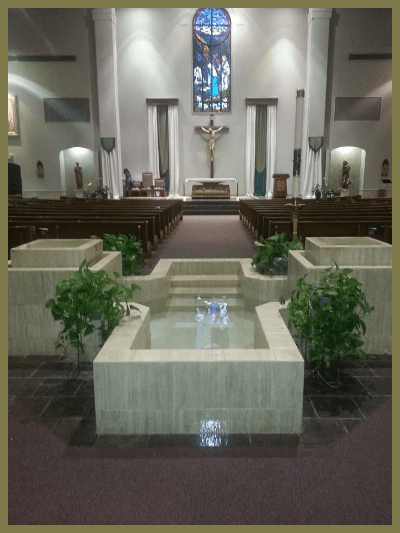
In contemporary light, the passage from Ephesians 4:4-6 compellingly emphasizes the profound unity inherent in the Christian faith. It articulates the oneness of the body of Christ, the singularity of the Holy Spirit, the unified hope to which Christians are called, the one Lord, the shared faith, the common practice of baptism, and the singular God the Father who governs over all. This powerful message serves not only as a declaration of faith but also as a poignant critique of Protestant denominationalism. This movement is often characterized by fragmentation into numerous denominations, each with its own unique interpretations of Scripture and distinct doctrinal beliefs. Such diversity, while reflective of individual convictions, can sometimes overshadow the fundamental call to unity that Ephesians highlights, suggesting a need for greater cohesion among believers in pursuing a harmonious expression of faith.
Paul emphasizes the concept of one body and one Spirit in his teachings, suggesting that, despite the rich diversity among believers in Christianity, they are ultimately united by a single, unifying truth and a shared purpose. This idea is rooted in passages such as Ephesians 4:4-6, where he articulates the importance of maintaining unity in the faith. In contrast, Protestant denominationalism often leads to divisions within the faith community, thereby undermining collective identity. The perpetual fragmentation into various denominations—with their distinct beliefs, practices, and interpretations of Scripture—can divert attention from the core tenets that unite Christians. As a result, this emphasis on differences may foster an environment in which competition and rivalry overshadow the essential unity Paul advocates, ultimately detracting from the Church’s mission as a whole.
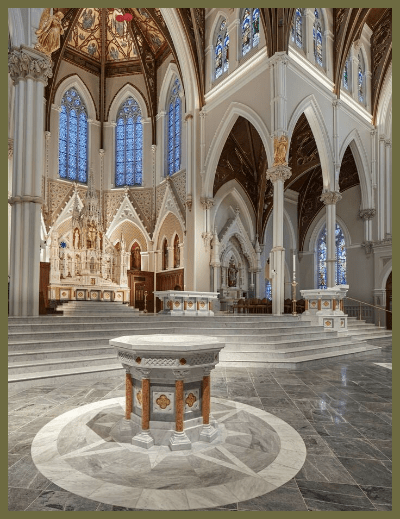
The reference to “one faith” and “one baptism” signifies the expectation of a unified understanding and practice of faith among all believers in Christ. This notion highlights the importance of having a common foundation that transcends denominational boundaries. However, Christian denominations often hold distinct beliefs and practices regarding the nature of faith and the significance of baptism. For instance, some denominations practice infant baptism based on the belief in original sin, while others advocate for adolescent or adult believers’ baptism, emphasizing a personal declaration of faith. These differences can lead to confusion and disunity within the broader Christian community, as individuals may struggle to reconcile their own beliefs with those of others.
Moreover, such divergence can undermine the foundational principles of the faith—love, grace, and redemption—that are intended to be universally acknowledged and celebrated by all Christians. Consequently, believers must seek a deeper understanding of these core tenets to foster greater unity and collaboration within the diverse body of Christ.
Ultimately, the verse’s call to a singular hope and collective identity serves as a powerful reminder of the church’s overarching mission: to embody unity in the spirit of Christ. Within the diverse spectrum of Protestant denominationalism, a significant challenge is overcoming the doctrinal and cultural barriers that often divide groups. This necessitates a concerted effort to foster collaboration, empathy, and mutual respect among believers, regardless of their theological perspectives. Such a pursuit of unity not only reflects the biblical imperative to love one another as vital members of the body of Christ but also emphasizes the importance of open dialogue, shared worship, and cooperative service. The Ephesians passage advocates a cohesive understanding of faith that transcends denominational lines, urging Christians to unify around the common beliefs that bind them rather than allowing differences to divide them.
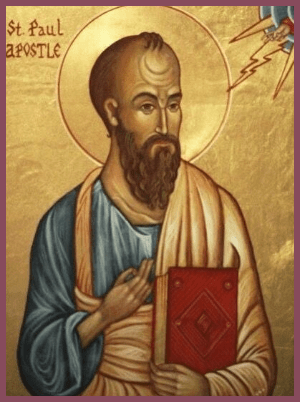
In his letters, Paul passionately exhorted the church in Philippi to remain steadfast in one spirit and purpose, urging them to unite in their efforts to uphold and promote the authentic faith of the gospel (Phil 1:27). He emphasized the importance of their collective strength, calling them to work together as a cohesive body of believers. Similarly, in his correspondence with the Thessalonians, he implored them to stand firm and hold fast to the traditions and teachings they had received from the apostles, who were directly appointed by Christ (2 Thess 2:15). The apostle faced significant challenges, particularly in response to the rise of false teachings that threatened to infiltrate and sow discord within the Church across various regions. Recognizing the danger these distortions posed to true doctrine, Paul earnestly prayed that all Christians would be united in mind and spirit, striving together in harmony (Phil 2:2).
When Paul ordained Timothy as bishop, he imparted crucial warnings about individuals who sought to stir controversy and engage in disputes that undermined the foundational beliefs shared by the faithful. He strongly reminded Timothy of his responsibility to safeguard these teachings and to diligently pass down the rich inheritance of doctrine that had been entrusted to him by the universal apostolic authority of the Church (1 Tim 6; 2 Tim 2:2). This legacy was vital for maintaining the integrity of the Christian faith in an increasingly diverse and challenging landscape.
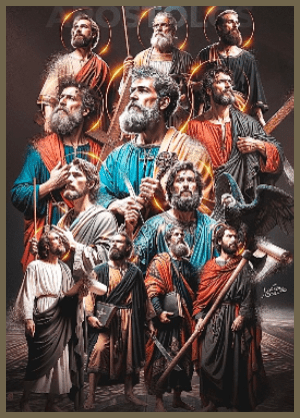
The Apostle Paul recognized the Church as the Bride of Christ, as mentioned in Ephesians 5:25. This concept supports the idea of a single, unified visible Church, implying that Christ has one bride rather than multiple brides. Additionally, Christ is portrayed as the Head of one body—the Church—rather than numerous bodies or denominations, each with its own leaders and often differing doctrines. Peter also emphasized the importance of unity among believers, urging them to have unity of spirit (1 Pet 3:8). His exhortation indicates an acknowledgment of the Church as a single, hierarchical body. Achieving unity of spirit and mind is seen as feasible only if there is a central teaching authority established by Christ, built upon the foundation laid by the apostles and their legitimate successors in the episcopate.
Respect for this apostolic teaching authority is essential to prevent discord and potential schism. Various scripture references, including 2 Corinthians 2:17, 1 Thessalonians 5:12-13, and Hebrews 13:7, emphasize the need for adherence to this teaching authority to maintain ecclesiastical harmony. Through the principle of apostolic succession, this divine office has been preserved and will continue to be guided by the Holy Spirit. This ensures the faithful transmission of tradition and doctrinal unity until the return of Christ in glory, as noted in Matthew 28:16-20.
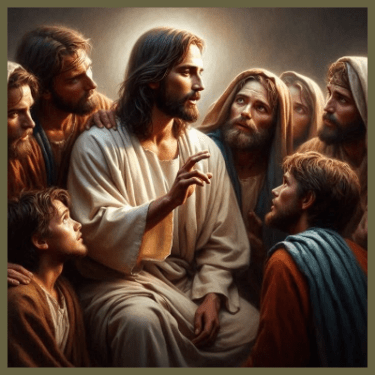
In his prophetic vision of the Church, Daniel articulates that individuals from all nations and languages will serve the kingdom of God (Daniel 7:14). This singular entity is recognized as the Catholic Church. The term “catholic” derives from the Greek word “katholikos,” which means universal, indicating that the Church is a comprehensive assembly comprising diverse peoples from various nations and cultures. Despite the global demographics of its members, which include a vast array of ethnic backgrounds and liturgical traditions, the Church unites them in a singular faith, in communion with the Vicar of Christ, sharing one mind and one spirit. This unity persists in the face of challenges such as internal dissension, discord, or scandal, all of which may arise due to the influence of darkness; however, these conflicts do not threaten the Church’s fundamental existence.
The Catholic Church has endured for nearly two thousand years, outlasting numerous historical empires and maintaining its presence across continents. Its resilience is rooted in the belief that Christ, as its Head, governs the Church and guides its mission until His glorious return. The promise of Christ’s return heralds the perfect unity of Christendom, culminating with the second coming of Christ at the end of this Messianic age. This future fulfillment is anticipated to bring all believers together in an unparalleled communion of faith, reflecting the divine purpose established from the beginning of creation.
Early Sacred Tradition
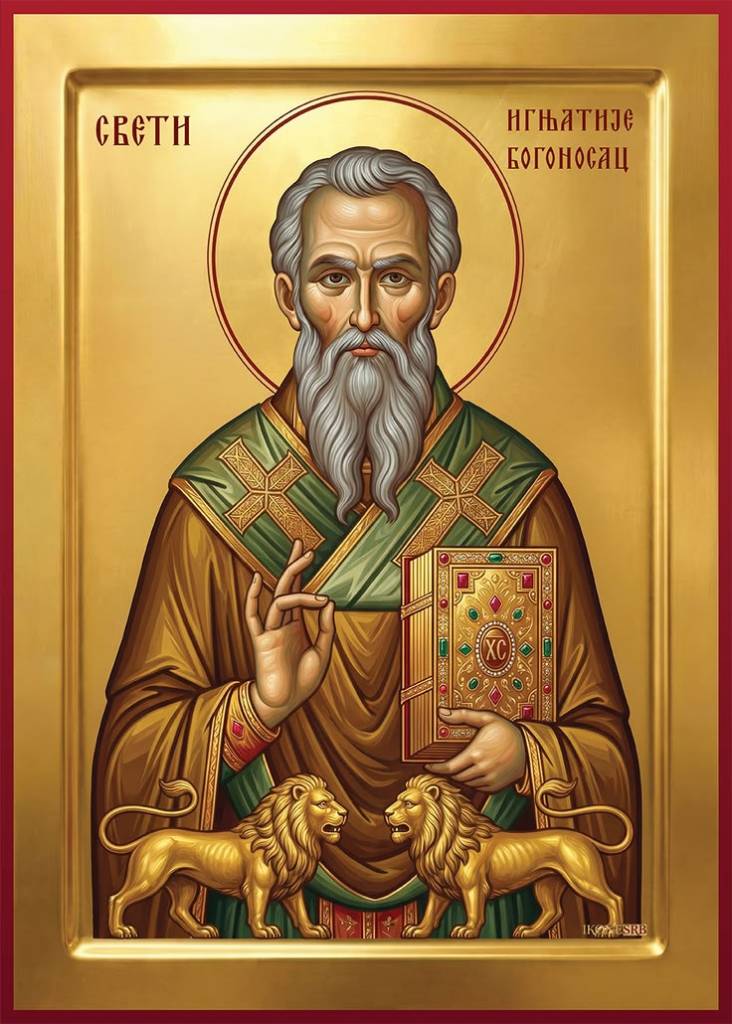
St. Ignatius of Antioch (c. A.D. 110)
Epistle to the Smyraens, 8
“See that ye all follow the bishop, even as Jesus Christ does the Father, and the presbytery as ye would the apostles; and reverence the deacons, as being the institution of God. Let no man do anything connected with the Church without the bishop. Let that be deemed a proper Eucharist, which is administered either by the bishop, or by one to whom he has entrusted it. Wherever the bishop shall appear, there let the multitude [of the people] also be; even as, wherever Jesus Christ is, there is the Catholic Church. It is not lawful without the bishop either to baptize or to celebrate a love-feast; but whatsoever he shall approve of, that is also pleasing to God, so that everything that is done may be secure and valid.”
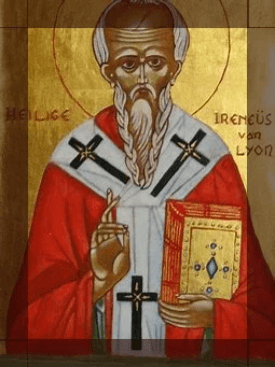
St. Irenaeus (A.D. 189)
Against Heresies, 5:20
“Those, therefore, who desert the preaching of the Church, call in question the knowledge of the holy presbyters…It behooves us, therefore, to avoid their doctrines, and to take careful heed lest we suffer any injury from them; but to flee to the Church, and be brought up in her bosom, and be nourished with the Lord’s Scriptures. For the Church has been planted as a garden (paradisus) in this world; therefore says the Spirit of God, ‘Thou mayest freely eat from every tree of the garden,’ that is, Eat ye from every Scripture of the Lord; but ye shall not eat with an uplifted mind, nor touch any heretical discord.”
St. Cyprian of Carthage (A.D. 250)
To the Lasped, Epistle 26/33
“Our Lord, whose precepts and admonitions we ought to observe, describing the honour of a bishop and the order of His Church, speaks in the Gospel, and says to Peter: I say unto thee, That thou art Peter, and upon this rock will I build my Church…Thence, through the changes of times and successions, the ordering of bishops and the plan of the Church flow onwards; so that the Church is founded upon the bishops, and every act of the Church is controlled by these same rulers. Since this, then, is founded on the divine law, I marvel that some, with daring temerity, have chosen to write to me as if they wrote in the name of the Church; when the Church is established in the bishop and the clergy, and all who stand fast in the faith.”
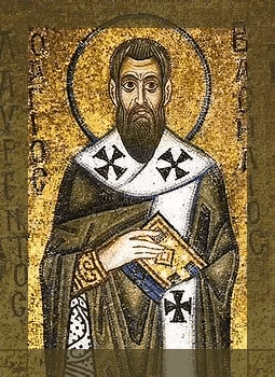
St. Basil the Great (A.D. 375)
Commentary on Isaiah, 2:66
“‘And in the last days the mountain of the house of the Lord shall be prepared on the top of the mountains’ The house of the Lord, ‘prepared on the top of the mountains,’ is the church, according to the declaration of the apostle, ‘Know,’ he says, ‘how thou oughtest to behave thyself in the house of God, which is the church of the living God’ Whose foundations are on the holy mountains, for it is built upon the foundation of the apostles and prophets. One also of these mountains was Peter, upon which the rock the Lord promised to build his church.”
He that is not with me is against me:
and he that gathers not with me scatters.
Luke 11, 23
Pax vobiscum

 Just Catholic
Leave a comment