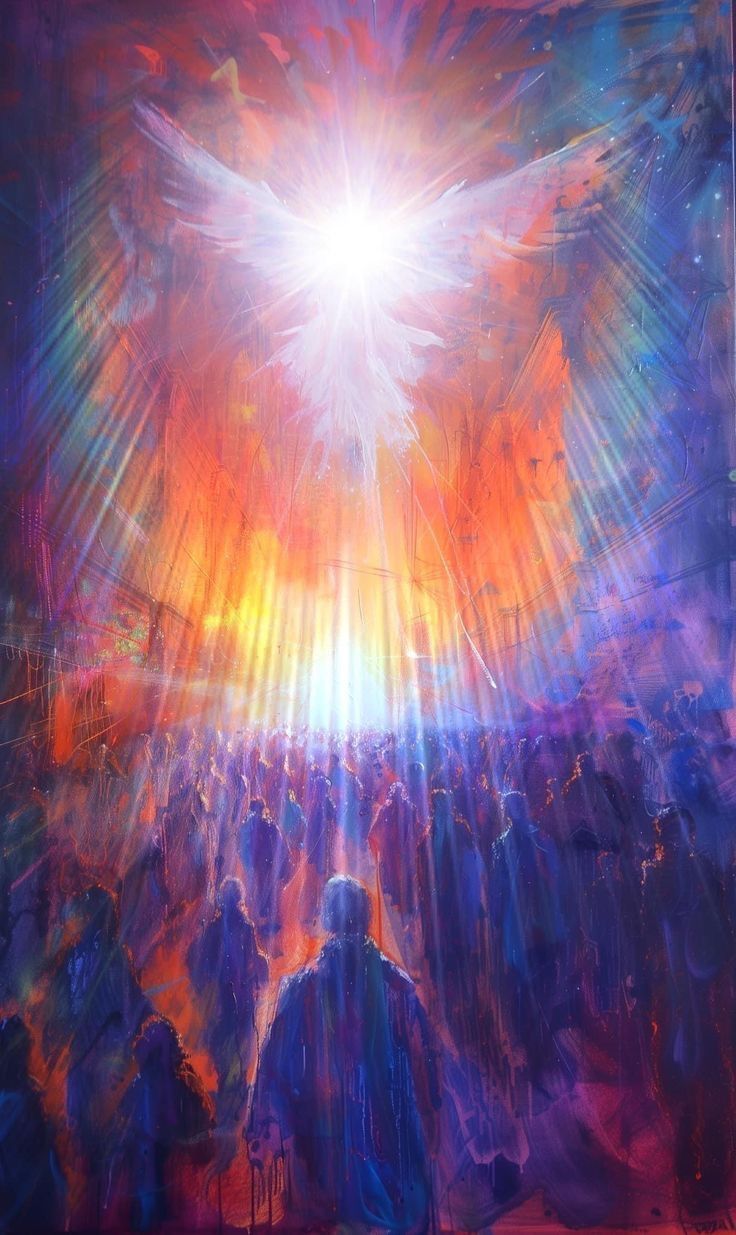
JUSTIFICATION & SANCTIFICATION
Create a clean heart in me, O God:
and renew a right spirit within me.
Cast me not away from thy face;
and take not thy holy spirit from me.
Restore unto me the joy of thy salvation,
and strengthen me with a perfect spirit.
Psalm 50, 12-14
You should put away the old self of your former way of life,
corrupted through deceitful desires, and be renewed in the spirit
of your minds, and put on the new self, created in God’s way
in righteousness and holiness of truth.
Ephesians 4, 22-24
The Old Testament text is a prayerful cry for spiritual renewal and restoration, drawing from Psalm 51:10-12 (often referred to as Psalm 50 in some translations). It encapsulates a deep yearning for inner transformation and divine mercy.
“Create a clean heart in me, O God” expresses a desire for purity and moral integrity. The heart is often viewed as the center of a person’s thoughts, emotions, and intentions. The plea for a “clean heart” indicates acknowledgment of past wrongs and a wish to start anew. The line “and renew a right spirit within me” suggests a longing for a refreshed mindset and attitude. A “right spirit” implies a disposition that aligns with God’s will—one that is righteous, just, and good. It reflects the request for inner strength and alignment with divine principles.

“Cast me not away from thy face” suggests the speaker fears being separated from God’s presence. In biblical terms, being “cast away” implies a loss of communion with God, which can lead to spiritual despair. This line highlights the importance of God’s presence in the speaker’s life. The line “and take not thy holy spirit from me” reveals the Holy Spirit representing God’s guidance and comfort. David’s plea indicates a fear of losing divine inspiration and support, which are essential for living a faithful and righteous life.
The line “Restore unto me the joy of thy salvation” reflects a yearning to regain the joy that comes from being saved or delivered by God. It indicates that sin or disconnection from God has caused a loss of joy and fulfillment. The line “and strengthen me with a perfect spirit” requests strength through God’s spirit, emphasizing that true strength is not self-derived but comes from God. A “perfect spirit” suggests fullness and completeness in one’s relationship with God, seeking an ideal state of empowering grace.
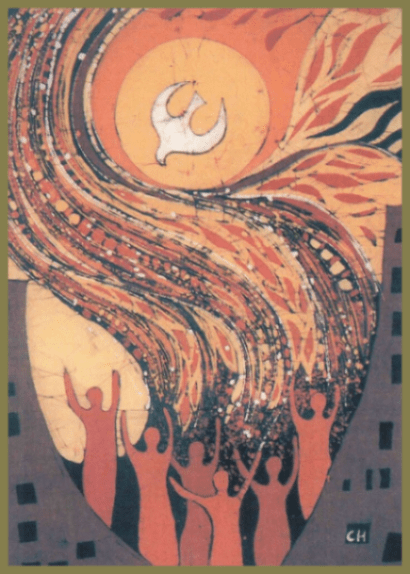
The passage from Ephesians 4:22-24 emphasizes a transformative process that encourages individuals to move away from past behaviors and attitudes, described as “the old self,” associated with deceit and negative desires. This suggests a conscious decision to reject old habits and mindsets that do not align with a more virtuous life. Renewal of mind highlights the necessity of mental and spiritual renewal—being “renewed in the spirit of your minds.” This suggests that the change is not merely behavioral, but rather deeply rooted in one’s thoughts and beliefs. It indicates that actual change begins internally.
The text discusses adopting “the new self,” which is created in accordance with God’s intentions for “righteousness and holiness of truth.” This new self represents a transformed identity that reflects divine qualities and aligns with higher moral and ethical standards. Overall, this text calls for a deliberate and conscious effort toward personal growth and spiritual renewal, encouraging believers to embody a new way of living that reflects righteousness and authentic truth. It speaks of the power of choice in shaping one’s identity and character in alignment with spiritual values.
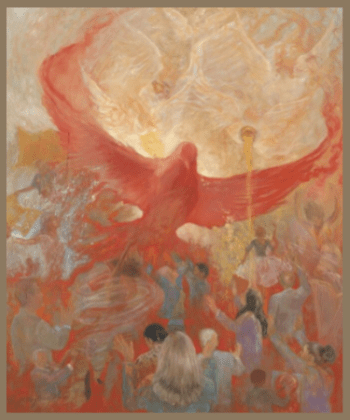
In traditional Catholic doctrine, the concepts of infused righteousness and justification are intricately linked to faith and the performance of good works. They are deeply rooted in the principles of charity and divine grace. This belief system emphasizes that God initiates a profound transformation within individuals, enabling them to transcend their previous states of sin and alienation. As a result of this transformation, believers are called to shed their old ways of life, characterized by selfishness and immorality, and to adopt a new identity that reflects the virtues and moral character of Christ.
Central to this understanding is the faithful’s active participation in their own justification. Catholics believe that, through a cooperative relationship with the Holy Spirit, individuals willingly engage in sanctification by aligning their actions with God’s will. This collaboration manifests as a commitment to performing good works, understood not merely as optional tasks but as genuine expressions of one’s faith and love for God and others.
Moreover, this doctrine underscores the significance of human free will, highlighting that individuals are not passive recipients of grace but active agents in their journey of salvation. This perspective maintains that, while God’s grace is universal and freely given, believers fully participate in the redemptive reality of salvation through their choices and cooperation. Thus, the intertwining of faith, works, grace, and free will illustrates a holistic approach to one’s spiritual life, inviting Catholics to embrace both belief and action in their quest for holiness.
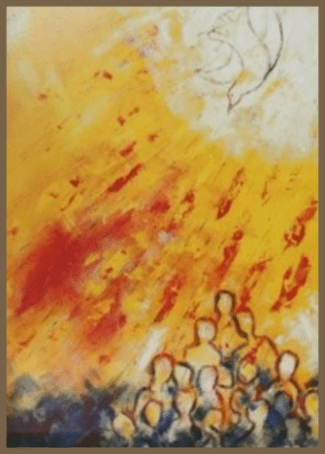
Since ancient times, the Catholic Church has maintained that active participation in divine grace is essential for spiritual growth and transformation. This concept underscores the necessity of individuals renewing their minds and hearts, striving to embody the righteousness of Christ, who, in His shared humanity, serves as a model of moral living. The extent to which people renounce their former selves, marked by sin and immorality, and work to overcome ingrained sinful habits directly influences their spiritual standing before God.
Catholics believe that this transformative journey is not solely a personal endeavor but a collaborative process with the Holy Spirit. By responding to the grace offered through faith and the sacraments, individuals are empowered to follow Christ’s commandments more faithfully. This collaboration requires a commitment to prayer, participation in the sacraments, and the practice of virtues such as love, patience, and forgiveness. Ultimately, one’s intrinsic righteousness or unrighteousness is determined by how effectively one embraces the gift of divine grace and cultivates a life that reflects Christ’s teachings. This perspective encourages continuous self-examination and growth, aiming for a deeper relationship with God and a more Christ-like way of living.
EARLY SACRED TRADITION
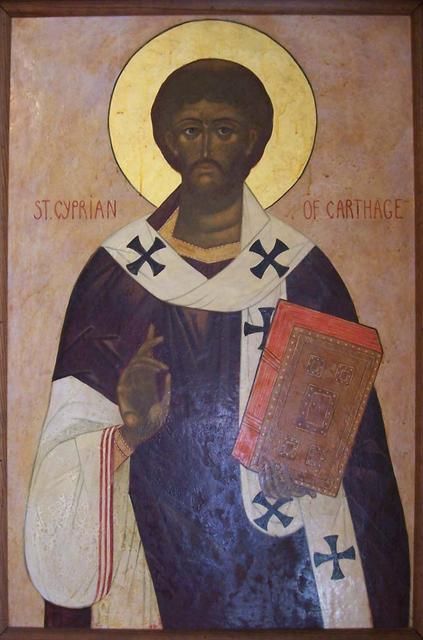
Cyprian of Carthage (A.D. 254)
On Works and Alms,14
“You are mistaken, and are deceived, whosoever you are, that think yourself rich in this world. Listen to the voice of your Lord in the Apocalypse, rebuking men of your stamp with righteous reproaches: ‘Thou sayest,’ says He, ‘I am rich, and increased with goods, and have need of nothing; and knowest not that thou art wretched, and miserable, and poor, and blind, and naked. I counsel thee to buy of me gold tried in the fire, that thou mayest be rich; and white raiment, that thou mayest be clothed, and that the shame of thy nakedness may not appear in thee; and anoint thine eyes with eye-salve, that thou mayest see.’ You, therefore, who are rich and wealthy, buy for yourself Christ’s gold tried by fire; that you may be pure gold, with your filth burnt out as if by fire, if you are purged by almsgiving and righteous works. Buy for yourself white raiment, that you who had been naked according to Adam, and were before frightful and unseemly, may be clothed with the white garment of Christ. And you who are a wealthy and rich matron in Christ’s Church, anoint your eyes, not with the collyrium of the devil, but with Christ’s eye-salve, that you may be able to attain to see God, by deserving well of God, both by good works and character.”
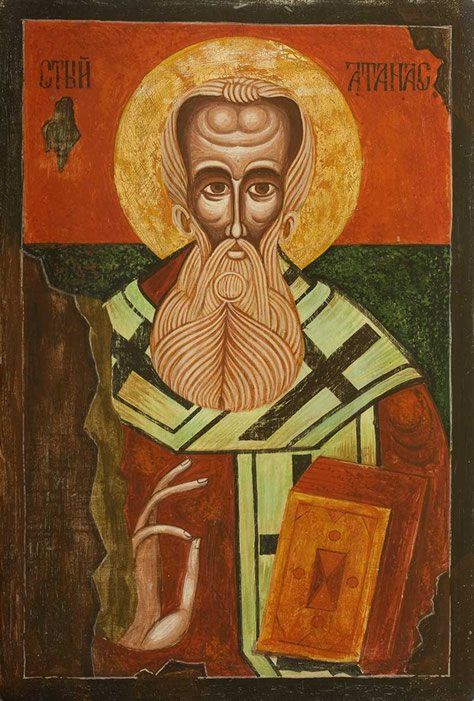
St. Athanasius (A.D. 318)
Incarnation 54
“He was made man that we might be made God; and he showed himself in the body
that we might receive the idea of the unseen Father, and he endured the insolence of men
that we might inherit immortality.”
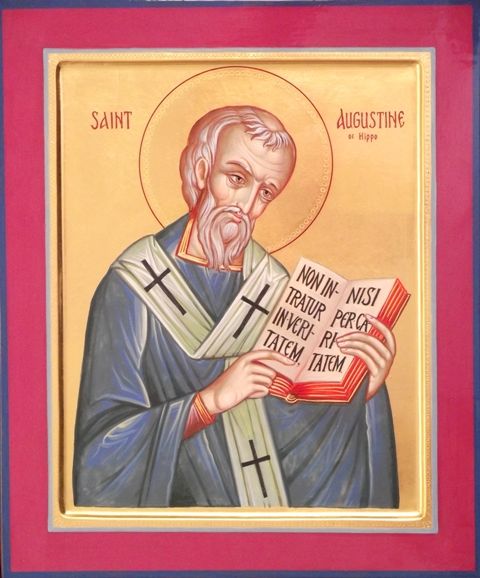
Augustine of Hippo (A.D. 412)
On the merits and forgiveness of sins, 1:9
“All His saints, also, imitate Christ in the pursuit of righteousness; whence the same apostle, whom we have already quoted, says: ‘Be ye imitators of me, as I am also of Christ.’ But besides this imitation, His grace works within us our illumination and justification, by that operation concerning which the same preacher of His [name] says: ‘Neither is he that planteth anything, nor he that watereth, but God that giveth the increase.’ For by this grace He engrafts into His body even baptized infants, who certainly have not yet become able to imitate any one. As therefore He, in whom all are made alive, besides offering Himself as an example of righteousness to those who imitate Him, gives also to those who believe on Him the hidden grace of His Spirit, which He secretly infuses even into infants…”
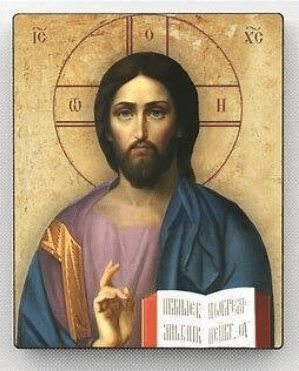
“You are the light of the world. A town built on a hill cannot be hidden.
Neither do people light a lamp and put it under a bowl. Instead, they put it on its
stand, and it gives light to everyone in the house. In the same way, let your light
shine before others, that they may see your good deeds and glorify your Father in
heaven.”
Matthew 15, 14-16
PAX VOBISCUM

 Just Catholic
Leave a comment