
JUSTIFICATION & SANCTIFICATION

If then you were raised with Christ, seek those things which are above,
where Christ is, sitting at the right hand of God. Set your mind on things above,
not on things on the earth. For you died, and your life is hidden with Christ in God.
When Christ who is our life appears, then you also will appear with Him in glory.
Colossians 3,1-4
The passage from Colossians 3:1-4 conveys a profound message about the Christian life and identity, particularly within the framework of Catholic theology. It underscores the transformative journey from a solely earthly existence to a higher, more spiritually centered life, reflecting core Catholic beliefs about resurrection, eternal life, and the importance of maintaining a focus on God amid worldly distractions.
The phrase “If then you were raised with Christ” serves as a powerful reminder of the sacrament of baptism, which holds a central place in Catholic teaching. Through baptism, believers are spiritually united with the death and resurrection of Christ, symbolizing their rebirth and new identity as children of God. This act of baptism is not merely a ritual but signifies a deep and irreversible transformation that calls for an active and ongoing effort to embody this newfound identity in daily life.
Furthermore, the exhortation to “seek those things which are above” emphasizes the necessity for Catholics to align their thoughts, actions, and aspirations with spiritual goals that reflect the virtues taught by the Church. This pursuit transcends mere intellectual acknowledgment of spiritual truths; it involves a dynamic and personal relationship with God. Living according to His will requires discernment, prayer, and a commitment to the teachings of the Church, promoting not just an understanding of faith, but an active practice of it in everyday situations. Ultimately, this passage invites believers to cultivate a mindset that continually looks toward heavenly realities, encouraging them to integrate these spiritual ideals into their lives and interactions with others.

The exhortation to “set your mind on things above, not on things on the earth” serves as a stark reminder of the fleeting nature of earthly existence and the transience of material possessions. This call to elevate one’s focus is particularly significant within Catholicism, where believers are encouraged to practice detachment from worldly distractions. By prioritizing spiritual pursuits, Catholics are invited to cultivate a deeper love for God and a genuine concern for their neighbors. This mindset challenges individuals to reflect on their daily actions, prompting them to embody virtues such as charity, compassion, and humility in all interactions.
Moreover, the assertion that “your life is hidden with Christ in God” delves into the intricate mystery of faith at the heart of the Catholic experience. It suggests a profound, intimate bond with Jesus, highlighting an often unseen yet deeply transformative relationship. This concept of “hiddenness” resonates with the Catholic understanding of grace, portraying it as a powerful force that operates within the hearts of believers. Even when this divine influence may not be outwardly evident, it continues to shape their thoughts, desires, and actions, guiding them toward holiness.
The closing statement, “When Christ, who is our life, appears, then you also will appear with Him in glory,” encapsulates the overarching Catholic hope centered on resurrection and the promise of eternal life. This declaration serves as a poignant reminder to the faithful that their ultimate destiny rests in the union with Christ in the glory of heaven. Such hope is not merely a distant aspiration but a dynamic force that invigorates their daily lives. It encourages believers to align their actions with Gospel values, instilling a sense of perseverance amid life’s challenges and reinforcing a focus on the eternal joy that awaits in God’s presence. By living with this understanding, Catholics are motivated to approach each day with purpose and intentionality, fostering a community rooted in faith and love.
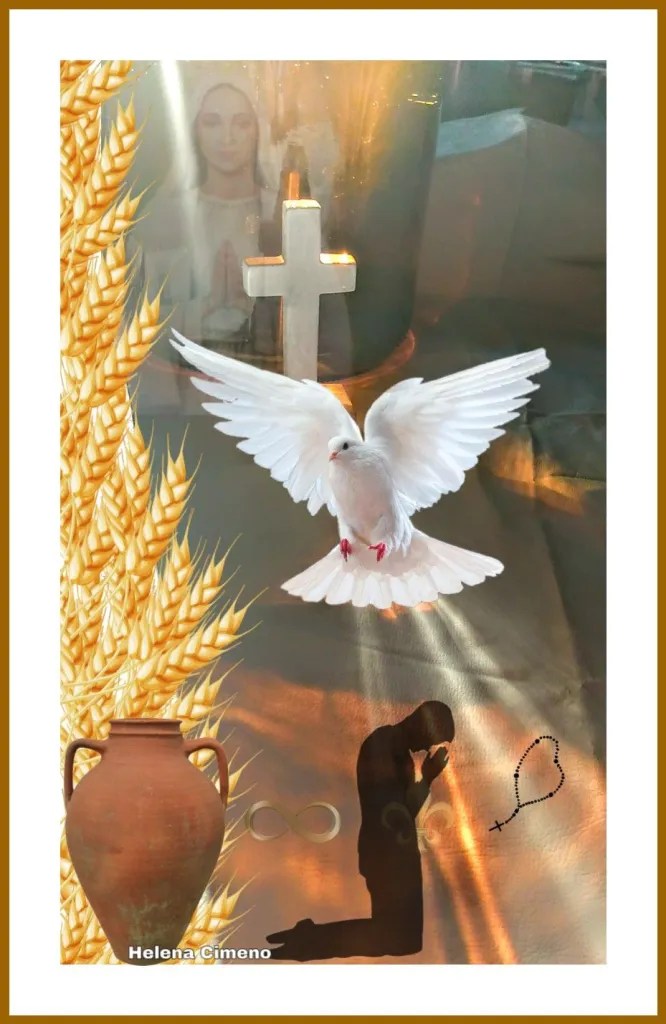
In Chapter 3: 1-17, Paul teaches that only by relinquishing self-centeredness can Christ’s glory be fully revealed to individuals after their earthly existence. To escape God’s justice, it is necessary to shed the old self by collaborating with the Holy Spirit and utilizing His gifts of grace. This renunciation of the old self entails rejecting sinful behaviors and eliminating worldly influences, including “fornication, impurity, passion, and greed,” which is described as “idolatry.” Paul urges believers to dismantle any idols that hinder their relationship with God by letting go of “anger, wrath, malice, slander, and abusive language.”
This transformative journey entails a metaphorical death to worldly desires and a rebirth into a new life in Christ. In this process, believers are invited to find their true identity not in worldly pursuits but in their relationship with Christ. Paul emphasizes that the only way to fully unveil Christ’s glory in one’s life is to relinquish self-centeredness and immerse oneself in the redemptive narrative of the Gospel.
To escape the weight of God’s justice, individuals are called to shed their old self, which is entrenched in sin, through a dynamic collaboration with the Holy Spirit. This partnership entails actively engaging with the gifts of the Spirit to foster spiritual renewal and growth. Renouncing the old self involves a conscious decision to reject sinful behaviors and to distance oneself from worldly influences and temptations. Paul specifically highlights behaviors such as “fornication, impurity, passion, and greed,” labeling greed as “idolatry” due to its capacity to place material desires above one’s devotion to God.

Moreover, Paul passionately urges believers to dismantle any idols that serve as barriers in their relationship with God. He encourages them to relinquish harmful emotions and attitudes, such as “anger, wrath, malice, slander, and abusive language.” By letting go of these negative traits, Christians can cultivate a spirit of compassion, kindness, humility, gentleness, and patience, thereby fostering a community that reflects the love and grace of Christ.
The idea of substituting detrimental habits with beneficial virtues is underscored by the importance of adopting traits such as compassion, kindness, humility, meekness, and patience. These characteristics are essential for fostering a sense of belonging within a chosen community. Engaging in mutual support and forgiveness is vital, as is demonstrating patience and mercy towards one another. This concept is rooted in the principle that, just as individuals have received forgiveness from the Lord, they are encouraged to extend that same forgiveness to others.
Paul highlights love as the most important virtue to embrace. The peace of Christ is regarded as essential for guiding interpersonal relationships. Adopting this new self involves allowing the teachings of Christ to dwell within and influence one’s actions. Ultimately, expressing gratitude and praise to God the Father for the abundant gifts of grace is crucial, as these blessings reveal one’s alignment with Christ in both the spiritual and the earthly realms.
PAX VOBISCUM

 Just Catholic
Leave a comment