THE RULE OF FAITH
But if I should be delayed, you should know how to behave in the household of God, which is the church of the living God, the pillar and foundation of truth.
1 Timothy 3:15
The ecclesiological principle of the Rule of Faith in the Catholic Church pertains to the way in which the faith of the Church is understood, expressed, and transmitted. This principle emphasizes the Church’s role in maintaining and interpreting the deposit of faith, which includes Scripture and Tradition. Moreover, the Rule of Faith can be seen as the summary of the essential beliefs held by the Church. Traditionally, it encompasses core doctrines, such as the Nicene Creed, which serves as a standard for what Christians believe. This creed outlines fundamental beliefs about God, Jesus Christ, the Holy Spirit, and the Church itself.
The Church is seen not just as a passive vessel of divine revelation but as an active community that interprets and lives out that revelation. Through the Church, the faithful receive guidance on interpreting Scripture and applying it to their lives. This interpretation is exercised through the authority of the Magisterium, which comprises the Pope and the world’s bishops in communion with him.
The ecclesiological principle reinforces the importance of both Scripture and Tradition in understanding the faith. While Scripture is the written word of God, Tradition encompasses the teachings and practices handed down through generations, beginning with the preaching of the apostles. The interplay between these two forms of revelation is crucial to the Catholic understanding of how faith is lived and taught.
The Rule of Faith also underscores the importance of unity within the Church. Since the teachings of the Church are rooted in a collective understanding of faith, this principle helps guard against individual interpretations that may lead to division or heresy, as seen in Arianism and Protestantism. It maintains a communal dimension to belief, emphasizing that faith is not only a personal journey but also a shared experience within the Church.
The ecclesiological principle has evolved over time as the Church faced various challenges and heresies throughout its history. Councils, creeds, and theological discussions have contributed to a more comprehensive understanding of the faith. This ongoing development reflects the dynamic nature of revelation and the Church’s continued commitment to faithfulness to the teachings of Christ.
In essence, the ecclesiological principle of the Rule of Faith emphasizes the Church’s vital role in interpreting and transmitting the faith through a combination of Scripture and Tradition, fostering unity among believers, and ensuring that the essential teachings of Christianity are upheld and properly understood through the course of history.
The passage from 1 Timothy 3:15 underscores fundamental aspects of the Catholic Church’s doctrine concerning the nature and responsibility of the Church as the bedrock of truth and moral guidance. This verse refers to the Church as the “household of God,” which conveys a profound sense of community and family within the context of faith. Such terminology implies that believers are not merely individual practitioners but are part of a larger spiritual family, bound together by shared beliefs and values. Furthermore, it highlights the obligation of the faithful to live in accordance with God’s teachings, promoting a lifestyle that reflects the principles of love, service, and moral integrity. The Church, therefore, is not only a place of worship but also a nurturing environment where members are encouraged to grow in faith, support one another, and collectively embody the teachings of Christ in their daily lives.
In Catholic doctrine, the Church is understood as the living continuation of Christ’s presence on earth, serving as the foundational institution through which God reveals His ultimate truth to humanity. This concept is encapsulated in the phrase “pillar and foundation of truth,” which emphasizes the Church’s critical role in safeguarding and proclaiming the essential truths of the Christian faith. These truths are articulated through Divine Revelation, which encompasses both Sacred Scripture and Sacred Tradition (Deposit of Faith).
The Church’s authority in interpreting these truths is vested in the Magisterium, which comprises the Pope and the bishops in communion with him. This teaching authority is tasked with ensuring that the faithful receive clear and accurate guidance on the tenets of faith, morality, and spiritual life, aiding them in understanding and applying these truths in their daily lives. Additionally, the Magisterium plays a pivotal role in addressing contemporary issues and providing moral direction in a rapidly changing world. Through this structured means of interpretation and teaching, the Catholic Church aims to nurture a deep and authentic understanding of faith among its members, encouraging them to live out these beliefs in service to God and the community.
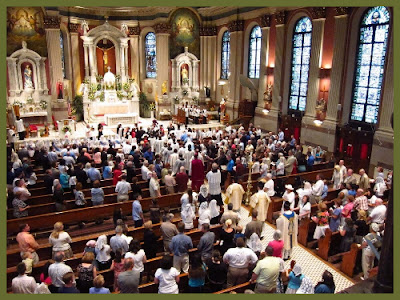
The passage from 1 Timothy 6:20-21 is a directive from the apostle Paul to Timothy, who has been ordained Bishop (episkopēs). It urges him to be vigilant in safeguarding the teachings and truths entrusted to him within the Christian faith. The phrase “guard what has been entrusted to you” highlights the responsibility of both leaders and believers to protect the integrity of their beliefs and doctrines. The admonition to “avoid profane babbling and the absurdities of so-called knowledge” highlights the danger of engaging in empty or meaningless discussions that stray from the core tenets of faith. This suggests that individuals may be tempted to pursue speculative or heretical ideas, which can lead them astray.
1Timothy 6:21-22 serves as a poignant concluding remark, stating, “By professing it, some people have deviated from the faith.” This statement serves as a crucial caution to believers, warning them of the dangers of an inclination toward false teachings. Such deviations can lead individuals away from the core tenets of their faith, resulting in a profound disconnect from the truth of the Gospel. This underscores the critical importance of discernment in one’s spiritual journey. Believers are urged to engage deeply with scripture and sound doctrine to firmly anchor their beliefs. By doing so, they can cultivate a strong and resilient spiritual life, ensuring that they remain steadfast in their commitment to genuine faith amidst the myriad of false teachings that may arise.
The reference in 1 Timothy 3 to proper behavior within the Church indicates that there are expectations and responsibilities for its members. This encompasses not only personal piety but also the communal aspect of faith, where unity, charity, and adherence to Christ’s teachings are vital. In this context, the Church serves as the guardian of the faith, providing believers with the necessary teachings and sacraments to deepen their relationship with God. The Catholic understanding emphasizes that faith is not merely a private affair but is lived out within the community of believers, reflecting the Church’s teaching and sacramental life.
This verse encapsulates the Catholic belief in the Church as a divinely instituted institution, established by Christ, through which the faithful receive spiritual guidance, participate in communal worship, and access the sacraments, which are essential means of grace. The Church serves as the living body of Christ, ensuring continuity in the faith across generations and fostering adherence to the core truths of the Gospel. Through community, tradition, and teaching, the Church nurtures the spiritual development of its members, guiding them in their moral and ethical lives in accordance with Christian teachings.

1 Timothy 3:15 is frequently cited in discussions of the authority of Scripture and the Church’s role, especially in debates over ‘sola Scriptura,’ a foundational principle for Protestant denominations. Sola Scriptura, which translates to “Scripture alone,” posits that the Bible is the ultimate and infallible source of authority governing Christian faith and practice. This doctrine emerged during the Protestant Reformation in the 16th century, championed by so-called reformers such as Martin Luther and John Calvin, who argued that the Scriptures alone are sufficient for salvation and provide clear moral guidance. They contended that believers do not require the mediation of church tradition or ecclesiastical authorities to understand and apply biblical truths. This perspective significantly challenged the prevailing Catholic view that church tradition and papal authority were equally essential to interpreting Scripture, leading to a fundamental shift in Christian thought and practice that continues to influence Protestantism today.
1 Timothy 3:15 can be understood as a significant challenge to the Protestant doctrine of sola Scriptura, which holds that Scripture alone is the primary source of authority for Christian faith and practice. The verse refers to the Church as the “pillar and ground of the truth,” indicating that the Church plays an indispensable role in upholding and interpreting the truth. This assertion suggests that the Church does not merely support the truth found in Scripture but actively maintains and defines it. Furthermore, the idea that Scripture is not self-authenticating implies that understanding the Canon of Scripture requires the interpretive authority of the Church. If we accept that the Church has the responsibility to preserve the teaching of the faith and provide definitive guidance on matters of doctrine and moral practice, it points to the conclusion that certain aspects of the Christian faith may be derived not just from the written words of the Bible, but also from the authority of Church tradition and the Magisterium.
This perspective underscores the belief that the Church, through its teachings and traditions, is essential for a comprehensive understanding of faith, suggesting that a reliance solely on Scripture may lead to interpretations that lack necessary context and continuity with the historical beliefs of the Christian community. Thus, 1 Timothy 3:15 invites a re-examination of the relationship between Scripture and the Church, emphasizing that tradition and the Church’s authority are crucial in forming a complete theological framework.
Paul writes to Timothy about how to conduct oneself in the Church, indicating that the Church has a structured system of authority and guidance. This implies that there is more than just the written word (Scripture) guiding the believers; the community of faith, led by its ordained leaders, plays a crucial role in instructing and maintaining order. The notion that the Church exists as a pillar of truth implies that interpreting Scripture is also vital. Sola Scriptura can lead to widely divergent individual interpretations; the verse argues for a communal understanding facilitated by the Church’s authority, which helps preserve doctrinal unity.
Early Christians did not possess the complete New Testament in its current form. The teachings and authority of the Church were fundamental in guiding the early believers in the first three centuries. Paul’s instruction to Timothy thus reflects the reality that the nascent community and its leaders were vital sources of the Christian faith, acting together with Scripture, exclusively the Old Testament, in light of Christian teachings and beliefs (Tradition) under the guidance and protection of the Holy Spirit (cf. Jn 16:12-13; 14:16).
Sola Scriptura can lead to a strong focus on personal interpretation of the Bible, resulting in a multitude of denominations and conflicting beliefs on fine points of doctrine and practice. In contrast, 1 Timothy 3:15 highlights a collective structure in which the Church, serving as the “household of God,” plays a significant role in guiding believers and upholding doctrinal integrity and unity as the final ruling and teaching authority. Hence, 1 Timothy 3:15 underscores the necessity of the Church’s role alongside Scripture, challenging the complete reliance on Scripture alone as posited by sola Scriptura. It highlights a view that combines scriptural authority with the importance of communal faith and authoritative doctrinal interpretation, suggesting that both Scripture and the one visible Church, originally founded by Jesus Christ on Peter and the Apostles (cf. Mt 16:18-19; 28:20), are integral to understanding and living out the Christian faith.
EARLY SACRED TRADITION
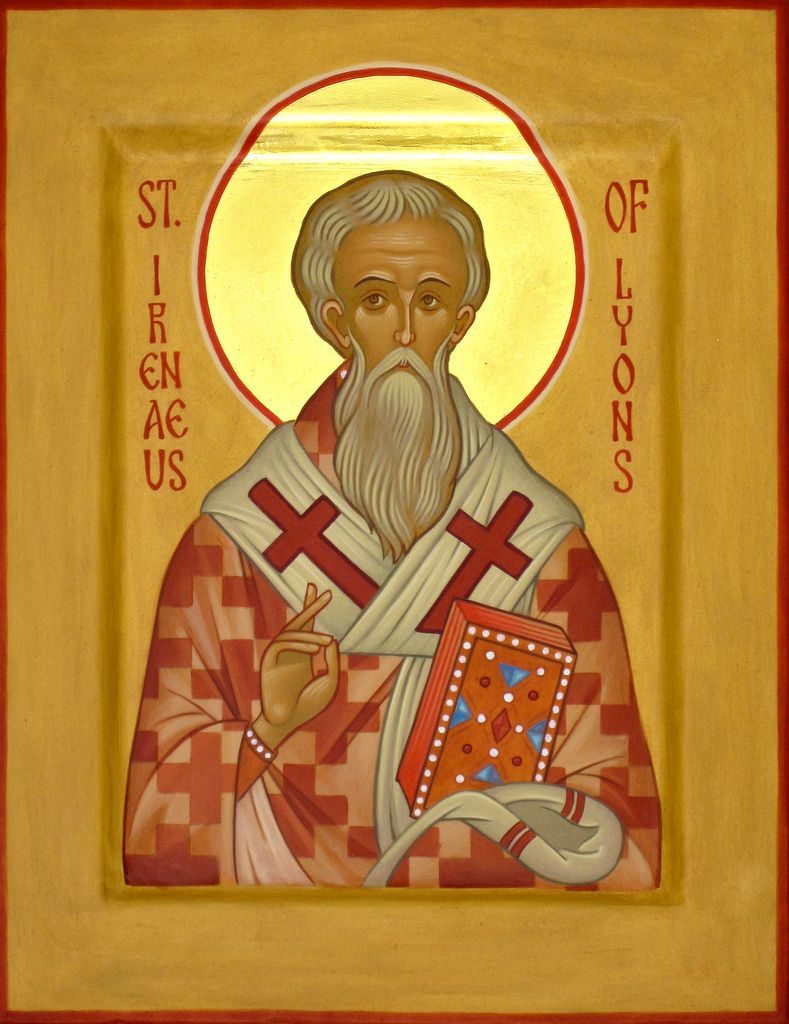
Irenaeus, Against Heresies, 3:24
(inter A.D. 180-189)
“But [it has, on the other hand, been shown], that the preaching of the Church is everywhere consistent, and continues in an even course, and receives testimony from the prophets, the apostles, and all the disciples…For in the Church,” it is said, “God hath set apostles, prophets, teachers,’ and all the other means through which the Spirit works; of which all those are not partakers who do not join themselves to the Church, but defraud themselves of life through their perverse opinions and infamous behaviour. For where the Church is, there is the Spirit of God; and where the Spirit of God is, there is the Church, and every kind of grace; but the Spirit is truth.”
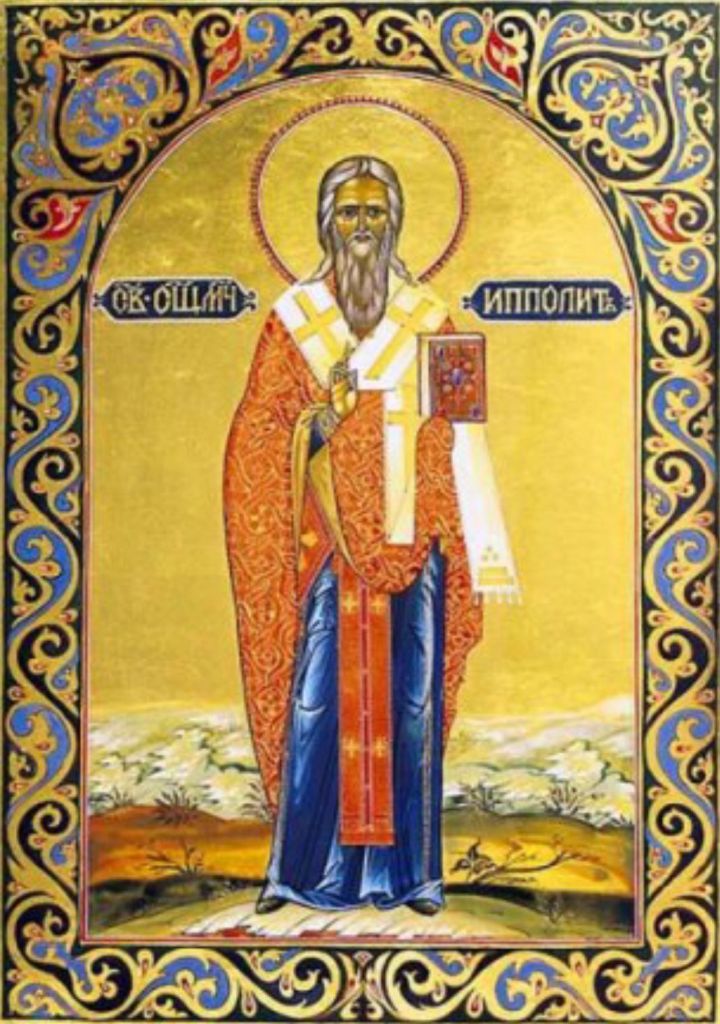
Hippolytus, Christ and Anti-Christ, 59
(A.D. 200)
“But we who hope for the Son of God are persecuted and trodden down by those unbelievers. For the wings of the vessels are the churches; and the sea is the world, in which the Church is set, like a ship tossed in the deep, but not destroyed; for she has with her the skilled Pilot, Christ. And she bears in her midst also the trophy (which is erected) over death; for she carries with her the cross of the Lord…As the wind the Spirit from heaven is present, by whom those who believe are sealed: she has also anchors of iron accompanying her, viz., the holy commandments of Christ Himself, which are strong as iron. She has also mariners on the right and on the left, assessors like the holy angels, by whom the Church is always governed and defended.”

Origen, On Matthew, 12:11
(A.D. 244)
“For the rock is inaccessible to the serpent, and it is stronger than the gates of Hades which are opposing it, so that because of its strength the gates of Hades do not prevail against it; but the church, as a building of Christ who built His own house wisely upon the rock, is incapable of admitting the gates of Hades which prevail against every man who is outside the rock and the church, but have no power against it.”
Lactantius, Divine Institutes, 4:14
(A.D. 310)
“From which things it is evident that all the prophets declared concerning Christ, that it should come to pass at some time, that being born with a body of the race of David, He should build an eternal temple in honour of God, which is called the Church, and assemble all nations to the true worship of God. This is the faithful house, this is the everlasting temple; and if any one hath not sacrificed in this, he will not have the reward of immortality. And since Christ was the builder of this great and eternal temple, He must also have an everlasting priesthood in it; and there can be no approach to the shrine of the temple, and to the sight of God, except through Him who built the temple. David in the sixth Psalm teaches the same, saying: ‘Before the morning-star I begat Thee. The Lord hath sworn, and will not repent; Thou art a priest for ever, after the order of Melchisedec.’”
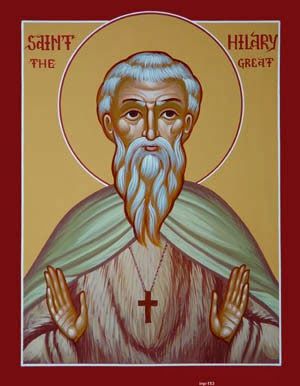
Hilary of Poitiers, On the Trinity, 7:4
(A.D. 359)
“The Church, ordained by the Lord and established by His Apostles, is one for all; but the frantic folly of discordant sects has severed them from her. And it is obvious that these dissensions concerning the faith result from a distorted mind, which twists the words of Scripture into conformity with its opinion, instead of adjusting that opinion to the words of Scripture. And thus, amid the clash of mutually destructive errors, the Church stands revealed not only by her own teaching, but by that of her rivals. They are ranged, all of them, against her; and the very fact that she stands single and alone is her sufficient answer to their godless delusions. The hosts of heresy assemble themselves against her; each of them can defeat all the others, but not one can win a victory for itself. The only victory is the triumph which the Church celebrates over them all.”
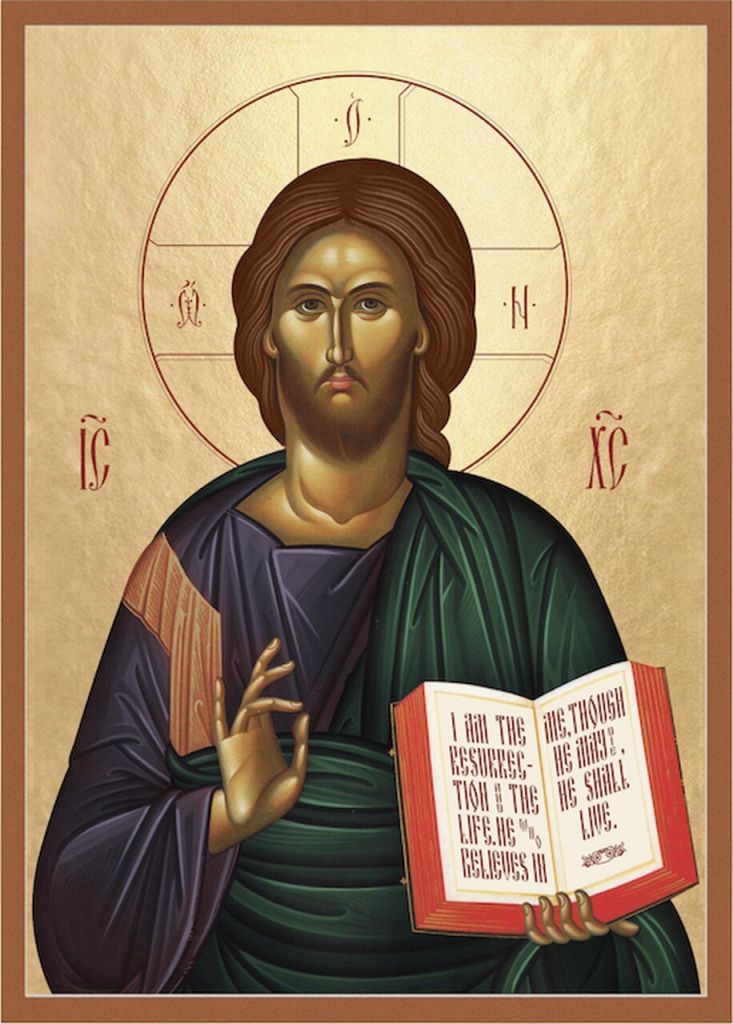
“Whoever listens to you listens to me, and whoever rejects you rejects me,
and whoever rejects me rejects the one who sent me.”
Luke 10, 16
PAX VOBISCUM

 Just Catholic
Leave a comment