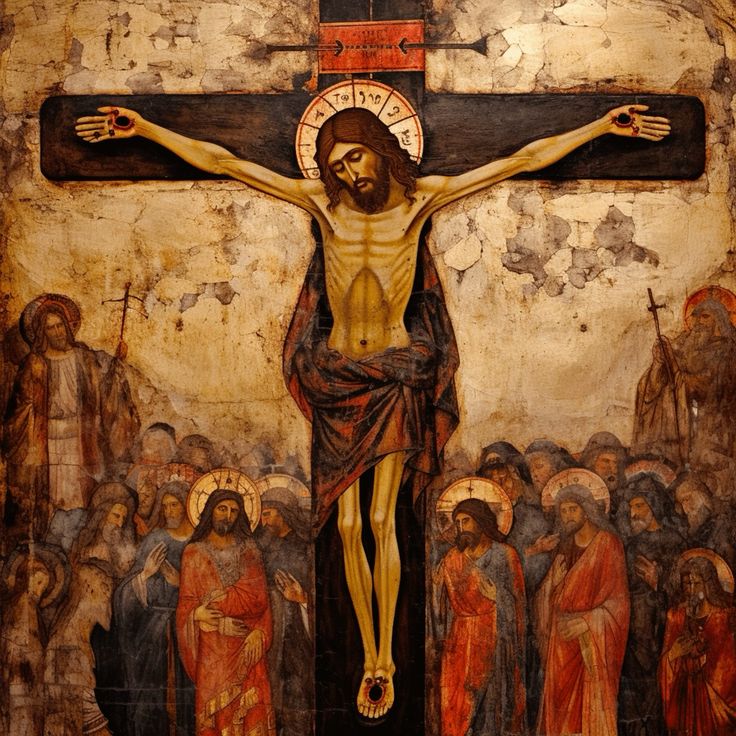
THE MEDIATION OF CHRIST
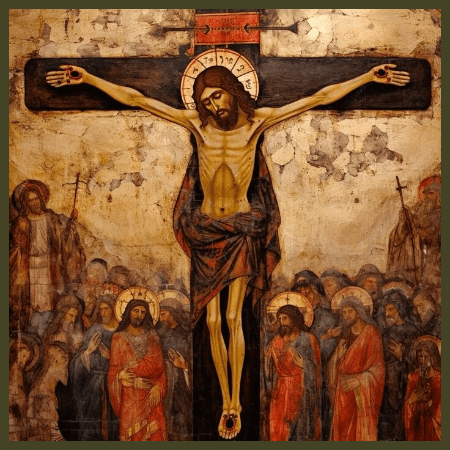
First of all, then, I urge that supplications, prayers, intercessions, and thanksgivings be made for everyone, for kings and all who are in high positions, so that we may lead a quiet and peaceable life in all godliness and dignity. This is right and is acceptable in the sight of God our Savior, who desires everyone to be saved and to come to the knowledge of the truth. For there is one God; there is also one mediator between God and humankind, Christ Jesus, himself human, who gave himself a ransom for all.
1 Timothy 2:1-6
In his First Epistle to Timothy, Paul begins by urging believers to offer supplications, prayers, intercessions, and thanksgivings for all, thereby highlighting the universal nature of prayer and worship. This demonstrates the belief that prayer should encompass all individuals, regardless of their status or circumstances. It suggests a communal responsibility to care for others through such spiritual practices. The passage states that such prayers are not only correct but also pleasing to God, who desires that all people be saved and come to know the truth. This reveals God’s inclusive and impartial nature and His aspirations for humanity. It signifies that salvation and understanding of the truth are available to everyone, emphasizing God’s love and grace.
In Catholic teaching, the concept of unlimited atonement holds that Christ’s sacrificial death on the cross provides a means of salvation accessible to all people. This doctrine emphasizes that Jesus’ sacrifice is sufficient to atone for the sins of every individual, enabling anyone who seeks forgiveness and faith in Him to receive salvation. The idea underscores the universality of Christ’s redemptive act and highlights the invitation extended to all humanity to embrace the grace offered through His atonement. In stark contrast, the Calvinistic doctrine of limited atonement is a theological perspective that asserts that Jesus Christ’s sacrifice was explicitly intended for the elect, or those chosen by God for salvation, rather than for all of humanity. This doctrine is part of the broader framework of Reformed Protestant theology, which emphasizes God’s sovereignty in salvation and holds that Christ’s atonement secures redemption only for a predetermined group of believers.
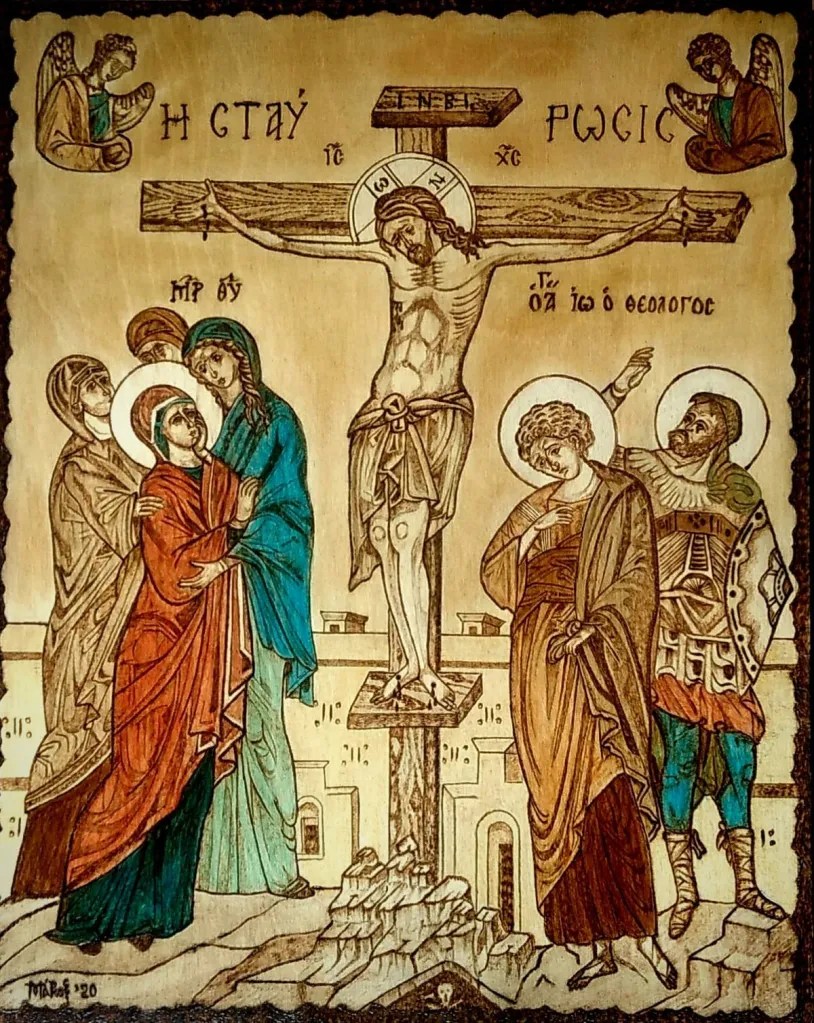
Verse 5 affirms the existence of “one and the same” (Εἷς) God for both the Jews and the Gentiles, and of Christ Jesus as “one and the same” (Εἷς) mediator between God and all humanity, emphasizing His unique role in reconciling the divine and the human. This mediatory function is central to Christian doctrine, underscoring the belief that through Jesus’ life, death, and resurrection, individuals can restore their relationship with God. By portraying His humanity, the text reveals how Jesus embodies the perfect link between the divine and human realms, allowing believers to understand their faith through His experiences and teachings. This understanding is crucial for fostering a personal connection with God and underscores the essential nature of Christ in the spiritual journey of Christians.
In Verse 6, Paul concludes with a powerful declaration that Jesus gave Himself as a ransom for all humanity. This statement underscores the profound redemptive aspect of Christ’s mission, emphasizing the core concepts of sacrifice and atonement. The term “ransom” evokes the imagery of liberation, indicating that Jesus’ voluntary death on the cross served as a payment to free humanity from the bondage of sin and spiritual death. This highlights the central Christian belief that Jesus’ death and resurrection are not merely historical events but transformative acts that provide the means of salvation for all people, regardless of their background or past. By reiterating this message, Paul conveys a sense of hope and grace, reminding believers that through faith in Christ, everyone has the opportunity to experience reconciliation with God and eternal life.
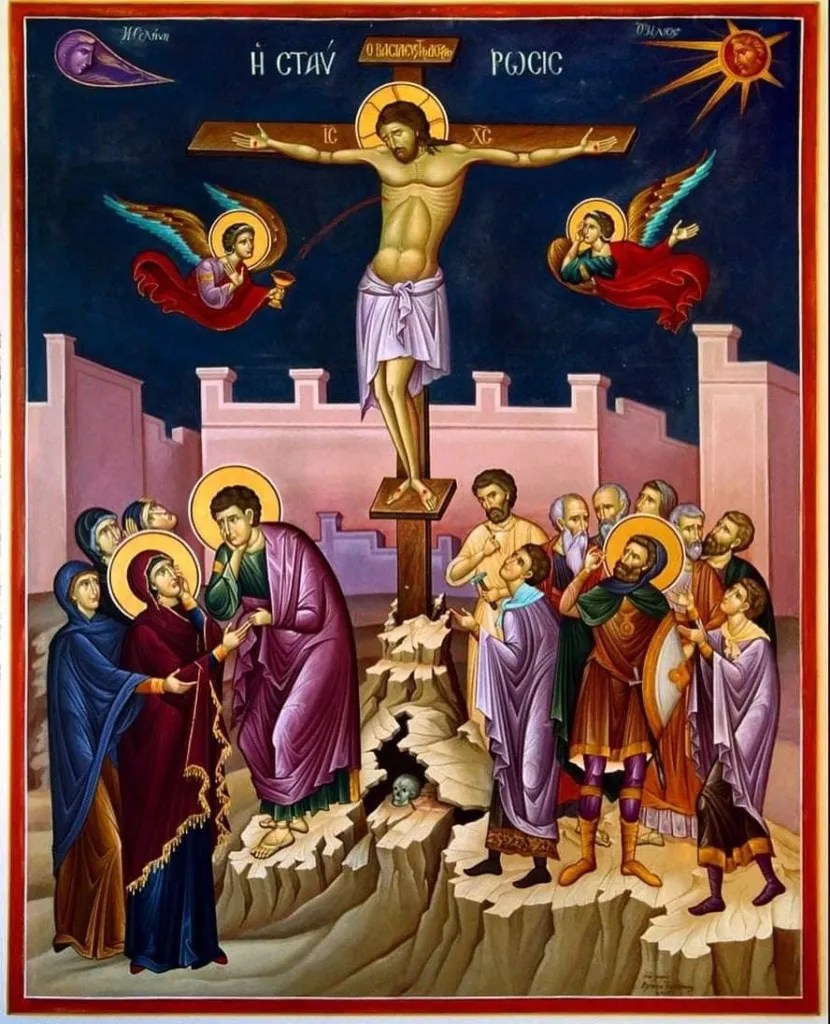
Protestants of various persuasions often object to the Catholic doctrine regarding Mary as the Mediatrix of Grace because they believe it undermines or adds to the dignity and effectiveness of Christ as the sole Mediator. They frequently cite 1 Timothy 2:5 to support their objections: “For there is one God and one mediator between God and mankind, the man Christ Jesus.” However, St. Paul does not assert that Jesus is the “one and only” mediator in the entire framework of salvation. If that had been his intention, he would have selected the Greek word “monos” (μόνος), meaning “alone” or “only,” rather than “heis” (εἷς), which translates to “one and the same.” By choosing the term “heis,” the apostle underscores that there is “one and the same mediator between God and mankind.” As noted above, this phrase encapsulates the idea that Jesus serves as the exclusive covenantal mediator for both Jews and Gentiles, signifying his “uniqueness,” as our redeemer, while simultaneously embodying a “sameness of function,” indicating a sense of “commonality” or “universality,” which is precisely what the word “heis” conveys.
This interpretation is consistent with Paul’s writings in the four preceding verses, specifically in 1 Timothy 2:1-4, where he emphasizes the importance of prayer and intercession: “I urge, then, first of all, that petitions, prayers, intercession, and thanksgiving be made for all people… This is good and pleases God our Savior, who wants everyone to be saved and to come to know the truth.” Through this exhortation, Paul highlights the inclusivity of God’s desire for salvation, indicating that it extends to all humanity. Consequently, baptized Christians are portrayed not as passive recipients of divine grace but as active participants in the ongoing work of salvation. Their role involves praying, interceding, and engaging in acts of love and service, reflecting their commitment to the mission of spreading God’s truth and salvation to every corner of the world. This understanding enriches the community’s sense of responsibility within the divine plan, emphasizing the collaborative relationship between divine grace and human action in salvation.
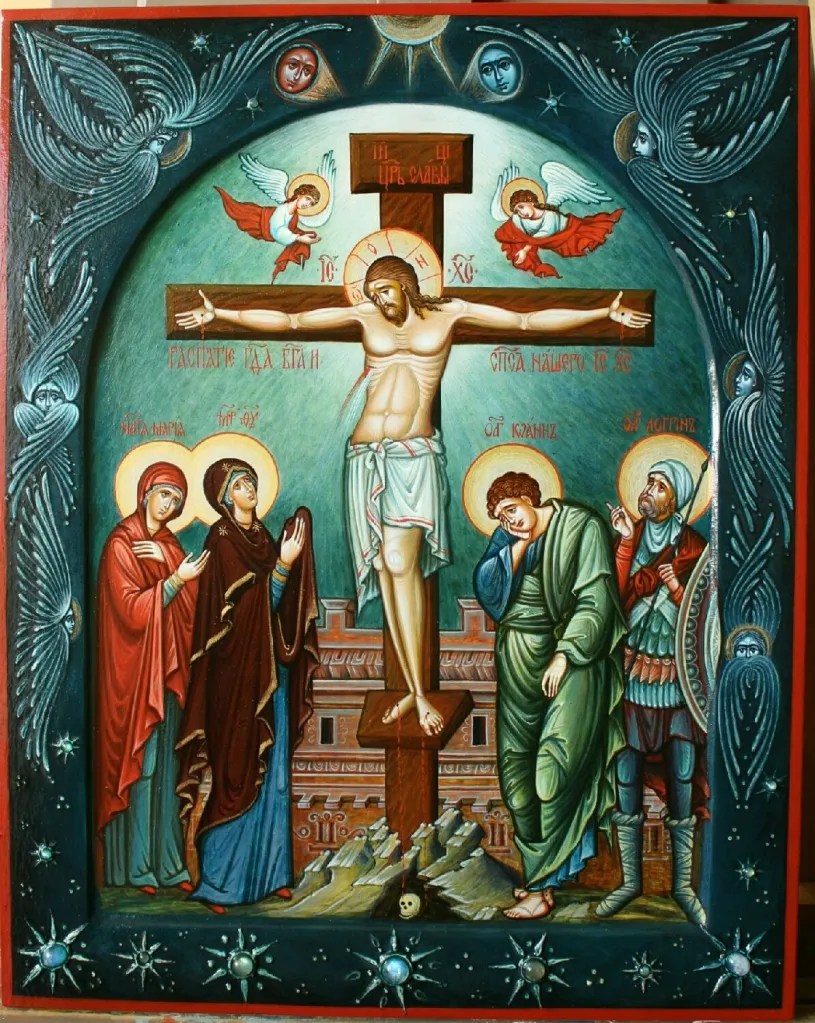
According to Paul, who is often regarded as the pioneer of the theology of human mediation, the Blessed Virgin Mary serves as a factual mediator (mediatrix) in our spiritual lives. She intercedes for humanity before her divine Son through her heartfelt petitions and fervent prayers in Heaven. Indeed, Our Blessed Lady mediated on our behalf at the Annunciation and at the wedding feast in Cana (Lk 1:38; Jn 2:3-5). It is crucial to clarify that Mary is not our Mediatrix of Grace in the same capacity as Christ; she does not perform the ultimate act of redemption by offering herself as “a ransom for all people” through the shedding of her blood (1 Tim 2:6). Nor does she produce the dispensation of grace that only her divine Son can provide through his theandric act of self-sacrifice. Rather, her role is one of genuine mediation, akin to that of biblical figures such as Paul and Abraham, who also acted as intercessors for their communities. She acts in cooperation with her Son’s merits, not in coordination with them. Christ alone (sola Cristo) is the “sole” mediator who has ransomed us from sin and death.
As such, Vatican II [Lumen Gentium, 62] has clearly articulated that Christ is the singular mediator, defined by his divine nature. As the God-man, He alone has merited the initial grace of justification and forgiveness through his theandric work of redemption, as referenced in Ephesians 2:8-9. This mediation is not merely a one-time event but an ongoing relationship in which Christ exclusively provides all the actual graces—such as faith, hope, and charity—that believers can receive and exercise through his passion and death.
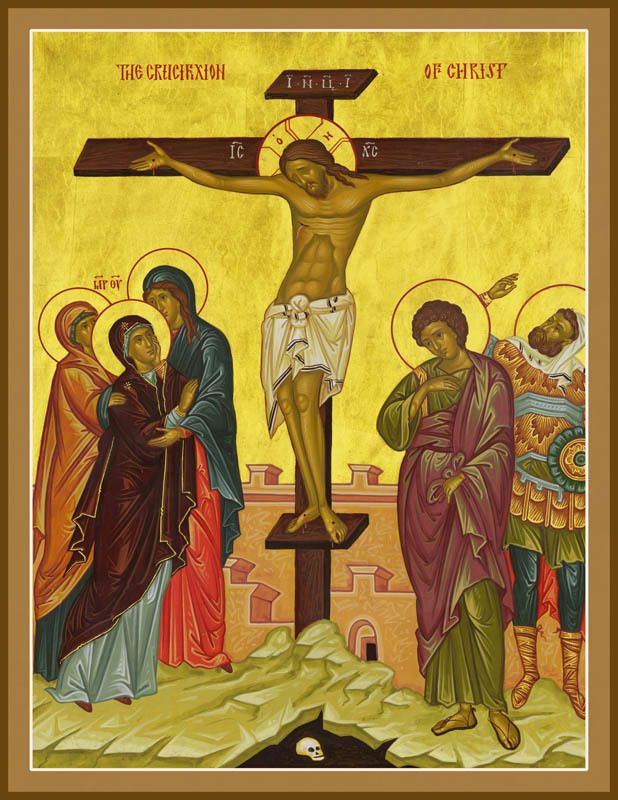
Needless to say, the Apostle Paul emphasizes the concept of stewardship in relation to God’s grace in Ephesians 3:2, stating, “You have heard of the stewardship of God’s grace that was given to me for your benefit.” This phrase, “the stewardship of God’s grace,” conveys a deep sense of responsibility: Paul has been entrusted to manage, embody, and effectively share the transformative power of God’s grace with others, particularly the believers in the Ephesian community. God’s grace is understood as the unmerited favor, love, and mercy that He extends to humanity—a gift exemplified in the life, sacrificial death, and resurrection of Jesus Christ. In this context, grace not only signifies forgiveness and reconciliation with God but also encompasses strength, encouragement, and the spiritual gifts necessary to live in alignment with God’s will.
Paul’s assertion that this stewardship was given to him for their benefit underscores his role as both a mediator and servant, dedicated to conveying and distributing this divine grace to the people he serves. It highlights the selfless nature of his mission, revealing that his efforts are not aimed at personal gain or recognition but at the spiritual enrichment, growth, and empowerment of others within the faith community. By articulating this responsibility, Paul invites believers to recognize the importance of his ministry and to engage with and respond to God’s abundant grace in their own lives.
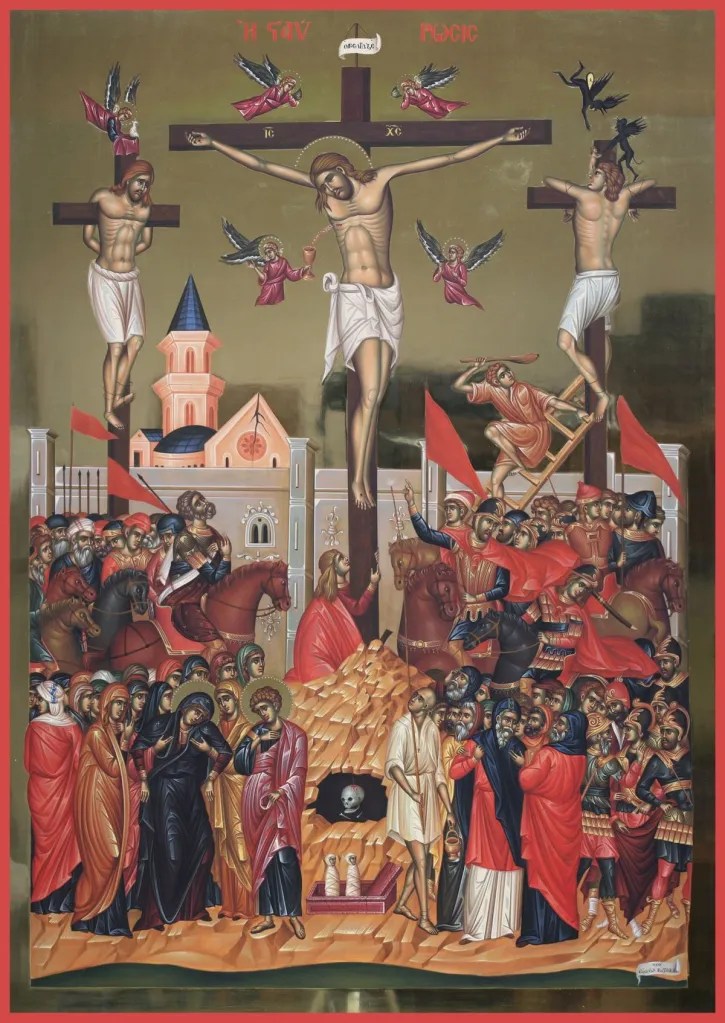
The text from 1 Peter 4:10 highlights the profound importance of recognizing and actively utilizing the unique grace that each individual receives from God: ‘Every man has received grace, ministering the same to one another: as good stewards of the manifold grace of God.’ This verse emphasizes stewardship, which encompasses the responsibility not only to acknowledge one’s distinct gifts and abilities but also to intentionally share and minister to others through those divine endowments.
In this context, stewardship means actively engaging with one’s talents—whether they be skills in teaching, encouragement, service, or leadership—and understanding that these gifts are given for the greater good. By encouraging believers to utilize their diverse talents for the benefit of the community, this verse highlights the importance of collective service and mutual support within the body of Christ. It fosters an environment where individuals feel valued and empowered to contribute, thereby strengthening the community as a whole and reflecting the Spirit’s diverse gifts in action. This call to action serves not only to build up the church but also to fulfill the mission of love and service that Christ exemplified.
Furthermore, this theme is echoed in 1 Timothy 2:1-4, where Paul urges believers to engage in intercessory prayer for all people, including government leaders and those in positions of authority. This call to prayer serves a mediatory dual purpose: it fosters a spirit of unity and compassion within the community while also promoting peace and tranquility in society at large. By praying for others, believers help establish environments where faith can flourish, enabling everyone to lead peaceful and quiet lives marked by godliness and dignity. Together, these scriptures advocate for an active, grace-filled approach to life that benefits both individuals and the wider community.
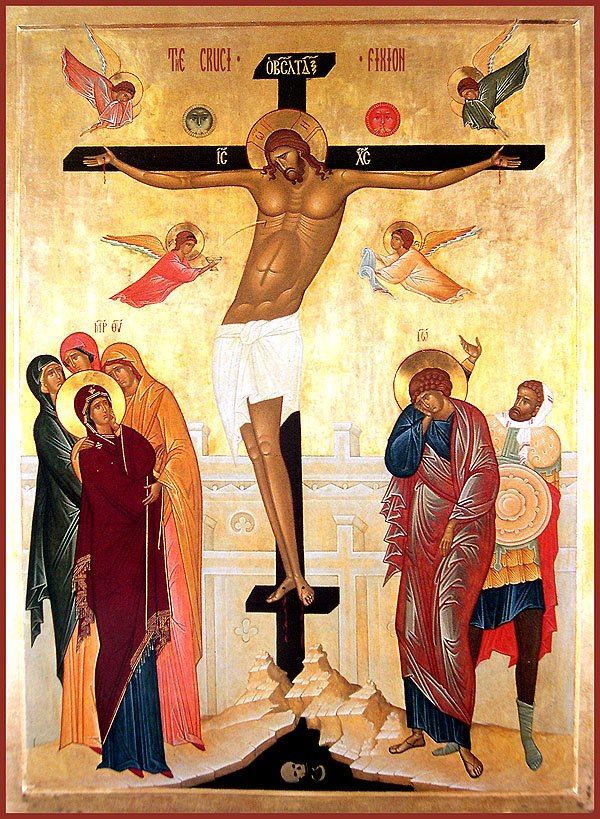
1 Peter 2:5 presents a rich metaphor that emphasizes the communal and spiritual identity of believers in Christ. The phrase “living stones” suggests that each individual is not merely a passive element but an active, vital part of a larger structure, implying that faith is dynamic and involves growth and transformation. When it refers to being “built up” as a “spiritual house,” it indicates that believers collectively form a dwelling place for God’s presence. This notion resonates with the idea in the Hebrew Scriptures where the Temple was the center of worship. Here, however, the focus shifts from a physical building to a spiritual community, highlighting that true worship and connection to God occur through relationships among believers.
The call to be a “holy priesthood” emphasizes the significant priestly role bestowed upon all believers. In the Old Testament, priests served as vital mediators between God and the Israelite people, performing sacred rituals and offering sacrifices to atone for sins and maintain the covenant relationship with God. This pivotal role is transformed in the New Testament, where it is extended to all Christians, empowering them not only to engage directly with God through prayer and worship but also to actively serve their communities and spread the message of the Gospel.
The phrase “to offer up spiritual sacrifices” highlights that the offerings pleasing to God extend far beyond mere physical gifts or traditional sacrifices. Instead, they encompass a wide array of heartfelt actions, including worship, acts of service, expressions of love for others, and the pursuit of righteousness. These spiritual sacrifices reflect a life dedicated to living in accordance with God’s will, embodying values such as compassion, justice, and humility, and fostering a deeper connection with both God and fellow humans. In this way, every believer is both a recipient and a vessel of God’s grace, called to manifest His love and purpose in the world. The conclusion, “acceptable to God by Jesus Christ,” encapsulates the core Christian belief that, through Jesus’ sacrifice and mediatorial role, believers can be assured that their offerings and lives are pleasing to God. This reinforces the importance of Christ as the foundation of this spiritual house.
EARLY SACRED TRADITION
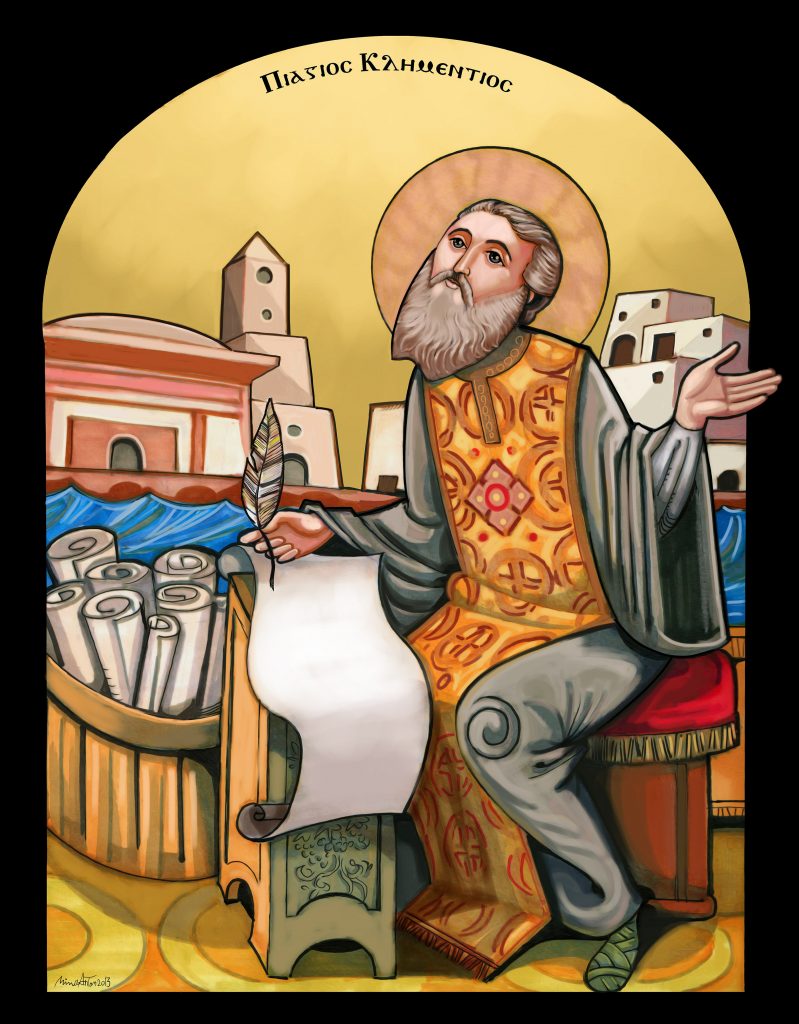
Clement of Alexandria, Miscellanies 7:12 [A.D. 208]
“In this way is he [the true Christian] always pure for prayer. He also prays in the society of angels, as being already of angelic rank, and he is never out of their holy keeping; and though he pray alone, he has the choir of the saints standing with him [in prayer]”
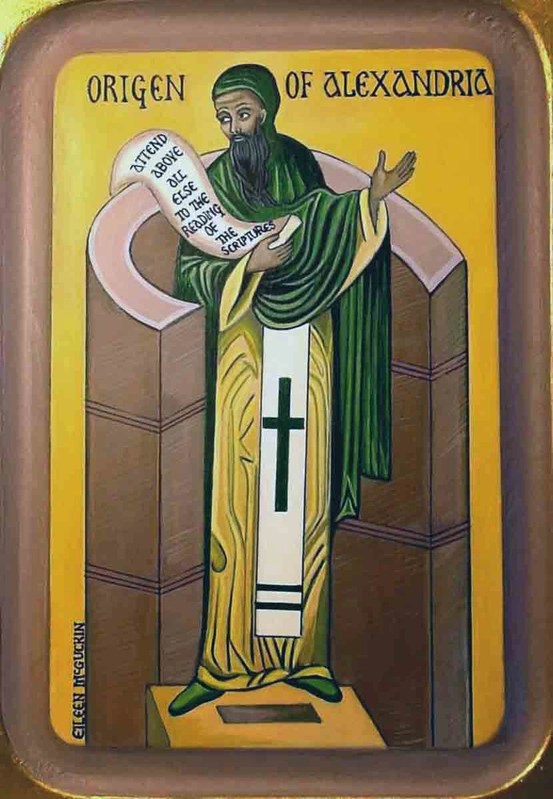
Origen, Prayer 11 [A.D. 233]
“But not the high priest [Christ] alone prays for those who pray sincerely, but also the angels . . . as also the souls of the saints who have already fallen asleep”
Cyprian of Carthage, Letters 56[60]:5 [A.D. 253]
“Let us remember one another in concord and unanimity. Let us on both sides [of death] always pray for one another. Let us relieve burdens and afflictions by mutual love, that if one of us, by the swiftness of divine condescension, shall go hence first, our love may continue in the presence of the Lord, and our prayers for our brethren and sisters not cease in the presence of the Father’s mercy”
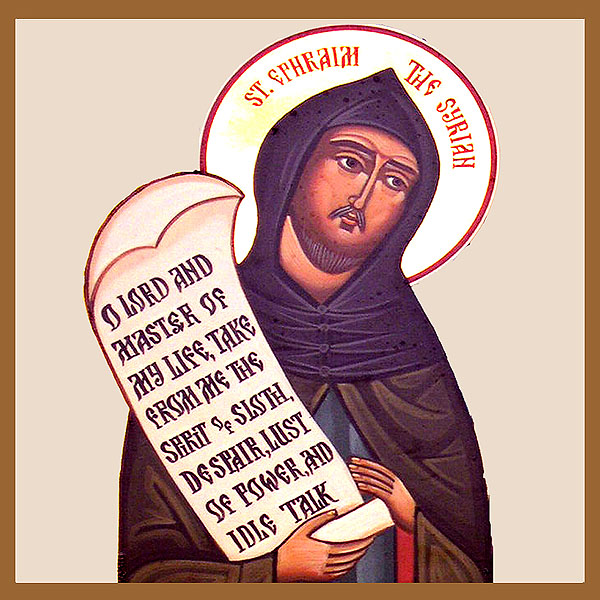
Ephraem of Syria, Syri opera graeca latine, v.3 [A.D. 373]
“With the Mediator, you [Mary] are the Mediatrix of all the world.”
PAX VOBISCUM

 Just Catholic
Leave a comment