
SALVATION
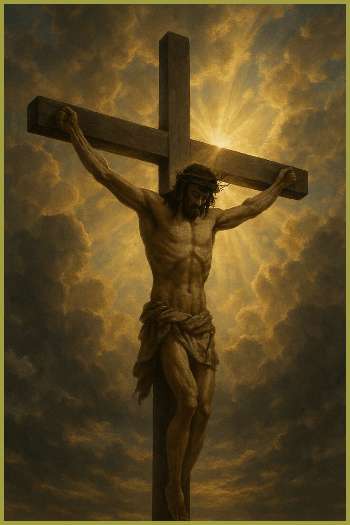
For by grace, you have been saved through faith, and this is not from you; it is the gift of God. It is not from works so that no one may boast, for we are his handiwork, created in Christ Jesus for the good works that God has prepared in advance, that we should live in them.
Ephesians 2:8-10
The passage from Ephesians 2:8-10 is part of a letter written by the Apostle Paul to the early Christians in Ephesus, a significant city in the Roman Empire located in present-day Turkey. This letter, known as the Epistle to the Ephesians, addresses issues of faith, grace, and the nature of salvation. Historically, Ephesus was a major center for trade and culture, and it had a diverse population with various religious beliefs. The early Christian community there faced challenges in a predominantly pagan society.
Paul’s message emphasizes salvation through faith and God’s grace rather than human effort, countering the prevailing views that equated righteousness with works and adherence to the law. This theological perspective was significant for the early church, promoting the idea that salvation is a divine gift accessible to all, regardless of their past or status, thus fostering a more inclusive community of believers united in Christ. The verses articulate a foundational Christian belief in God’s sovereignty in salvation and the call to live out good works as a response to grace.
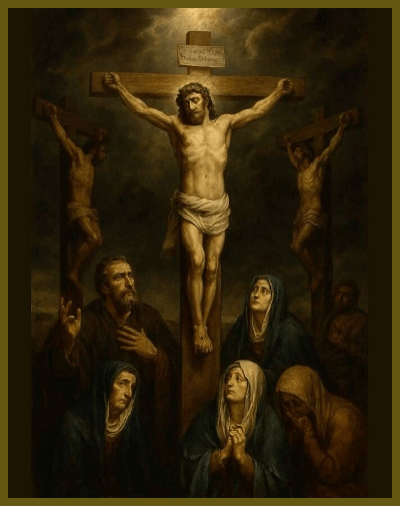
In the context of Catholic theology, Ephesians 2:8-10 emphasizes the central themes of grace, faith, and works in the process of salvation. The passage highlights that salvation is a gift from God, underscoring the Catholic belief in grace as an unmerited favor bestowed by God upon humanity. This aligns with the Catholic understanding that no one can achieve salvation purely through their own efforts; it is God’s grace that initiates and sustains salvation.
The phrase “through faith” points to the necessity of a personal response to God’s grace. According to Catholic teaching, when Paul speaks of being saved through faith, he emphasizes that salvation is a gift from God that is received through one’s response to His grace. This faith is not merely an intellectual affirmation but involves trust in God and a heartfelt commitment to live according to His will.
In this context, faith is understood to be an active and dynamic force, necessitating a personal relationship with God. It is through the sacraments, prayer, and the community of the Church that believers can nurture and express their faith. Catholic theology stresses that while good works are essential as a manifestation of one’s faith, they do not contribute to earning salvation. Instead, good works arise as a natural response to God’s love and grace, allowing believers to live out their faith through actions that serve others and reflect Gospel values. Ultimately, being saved by faith means recognizing that salvation is initiated by God’s grace, and the believer’s faith is the means by which they accept and live out this divine gift in their lives.
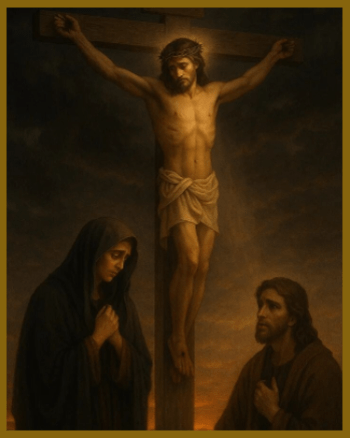
Paul asserts that salvation is not the result of works “so that no one may boast.” This can be interpreted to mean that while good works are essential and demonstrate a living faith, they are not the basis for salvation. Instead, Catholic theology teaches that good works are a response to God’s love and grace, fulfilling the call to live out one’s faith actively. The reference to being “his handiwork” suggests that humans are created for a purpose—the good works that God has prepared, which reflects the belief in the collaboration of faith and works.
The call to “live in them” indicates that Christians are expected to embody their faith through actions. This emphasis on good works reflects the Catholic understanding of the faith journey, wherein believers are called to participate actively in God’s plan and serve others, thereby manifesting the Gospel in their lives.
In essence, this passage encapsulates key aspects of Catholic theology: salvation comes through God’s grace, received through faith, which naturally leads to a life of good works as a response to that grace. It emphasizes the importance of both faith and action, affirming that while salvation is a gift, believers are called to live it out through their deeds.
EARLY SACRED TRADITION
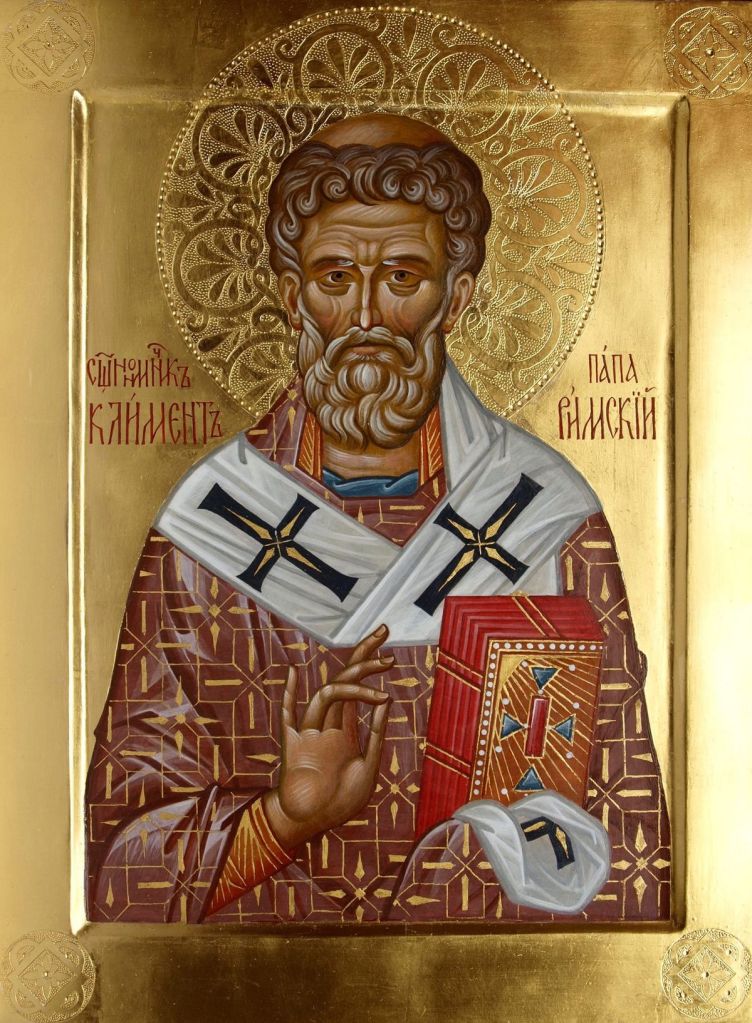
Clement of Rome, Epistle to the Corinthians, 32 (A.D. 98)
“All these, therefore, were highly honoured, and made great, not for their own sake, or for their own works, or for the righteousness which they wrought, but through the operation of His will. And we, too, being called by His will in Christ Jesus, are not justified by ourselves, nor by our own wisdom, or understanding, or godliness, or works which we have wrought in holiness of heart; but by that faith through which, from the beginning, Almighty God has justified all men; to whom be glory for ever and ever. Amen.”
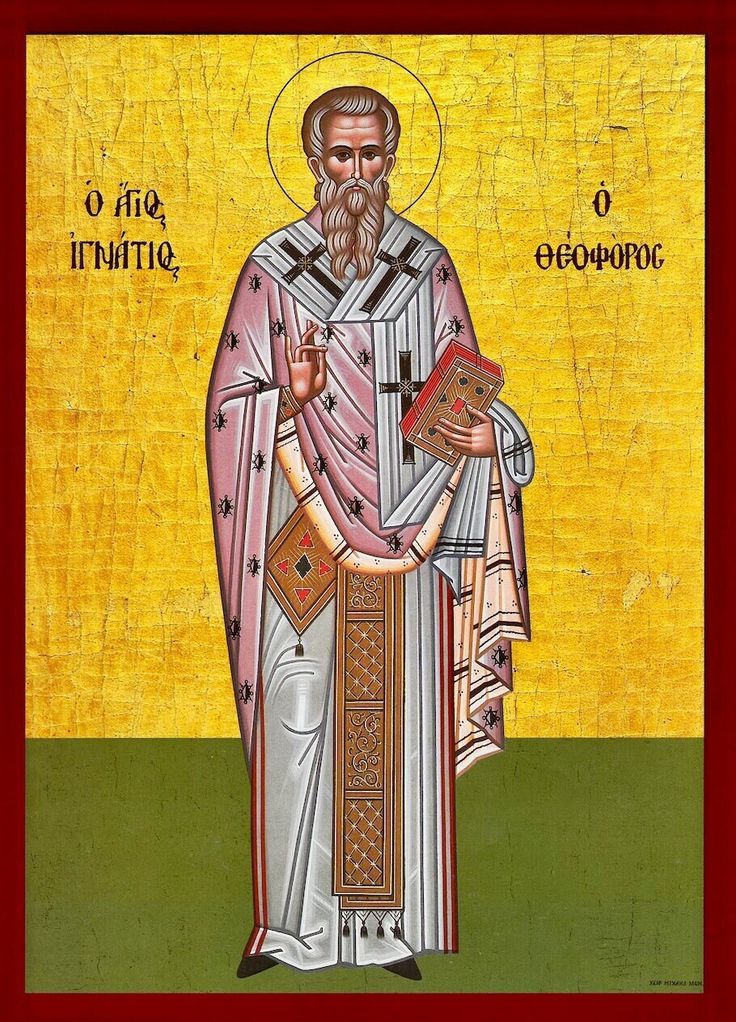
Ignatius of Antioch, To Polycarp, 1 (A.D. 110)
“Now I beseech thee, by the grace with which thou art clothed, to add [speed] to thy course, and that thou ever pray for all men that they may be saved, and that thou demand things which are befitting, with all assiduity both of the flesh and spirit. Be studious of unity, than which nothing is more precious. Bear with all men, even as our Lord beareth with thee. Show patience with all men in love, as [indeed] thou doest. Be steadfast in prayer. Ask for more understanding than that which thou [already] hast. Be watchful, as possessing a spirit which sleepeth not. Speak with every man according to the will of God. Bear the infirmities of all men as a perfect athlete; for where the labour is great, the gain is also great.”
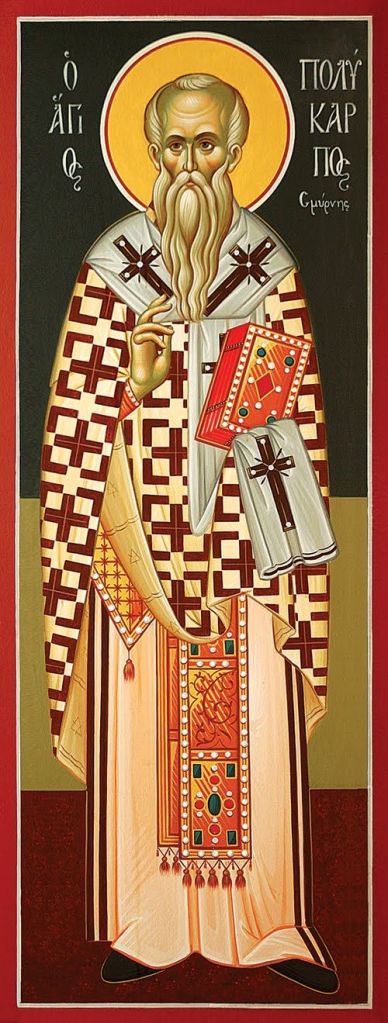
Polycarp of Smyrna, To the Philippians, 2 (A.D. 135)
“But He who raised Him up from the dead will raise up us also, if we do His will, and walk in His commandments, and love what He loved, keeping ourselves from all unrighteousness, covetousness, love of money, evil speaking, falsewitness; ‘not rendering evil for evil, or railing for railing,’ or blow for blow, or cursing for cursing, but being mindful of what the Lord said in His teaching: ‘Judge not, that ye be not judged; forgive, and it shall be forgiven unto you; be merciful, that ye may obtain mercy; with what measure ye mete, it shall be measured to you again; and once more, “Blessed are the poor, and those that are persecuted for righteousness’ sake, for theirs is the kingdom of God.’”
PAX VOBISCUM

 Just Catholic
Leave a comment