
JUSTIFICATION & SANCTIFICATION
It is I, I, who wipe out, for my own sake, your offenses;
your sins I remember no more.
Isaiah 43, 25
Isaiah 43:25 speaks of God’s grace and forgiveness. The repetition of “I” emphasizes God’s personal role in the act of forgiveness. This indicates a strong, intentional action by God regarding humanity. The phrase “for my own sake” suggests that God’s decision to forgive is not contingent on human merit or worthiness but is rooted in His own nature and purpose. It highlights God’s sovereignty and the idea that His actions stem from His character.
The statement “I, even I, am he who blots out your transgressions for my own sake, and remembers your sins no more.” This profound declaration encapsulates the depth of God’s forgiveness, highlighting not only His ability to erase our sins but also His intentional choice to forget them entirely. This act of divine amnesia signifies more than just the cancellation of moral failings; it represents a complete spiritual cleansing and the promise of a fresh start. Through this forgiveness, God restores the relationship between Himself and the believer, liberating them from the weight of past transgressions. It establishes a new beginning, free from guilt and shame, allowing individuals to move forward in a renewed sense of purpose and hope.
Overall, Isaiah 43:25 presents a profound message of hope and redemption, emphasizing that, despite human imperfections and shortcomings, God’s forgiveness is both accessible and complete. It invites individuals not only to recognize their need for forgiveness but also to actively embrace the possibility of a renewed, restored relationship with God. By accepting this gift of grace, believers can move forward with a sense of liberation and renewed purpose, reaffirming their faith in God’s transformative love and mercy.
The process of spiritual transformation is a deep and dynamic journey that involves God actively “blotting out” (exalipho) our transgressions, “washing” (apolouo) us from our iniquities, and “cleansing” (katharitzo) us from our sins. This divine intervention is not a mere act of mercy; it requires an authentic inner change of heart, accompanied by a contrite spirit, as emphasized in several scripture passages, including Psalm 51:1-2, where the psalmist pleads for cleansing and renewal, and Acts 3:19, which calls for repentance leading to the erasure of sins.
In a similar vein, Acts 22:16 emphasizes the importance of baptism as a pivotal act of washing away sins, signifying a believer’s commitment to a new life in Christ. This scripture urges individuals to publicly demonstrate their faith and receive the grace that accompanies this sacred rite. Additionally, 1 Corinthians 6:11 offers reassurance to the faithful, declaring that through their belief in Jesus Christ, they have not only been sanctified—set apart for God’s purpose—but also justified—declared righteous in God’s eyes despite their past transgressions. Moreover, 1 John 1:7 and 9 further affirm the promise of spiritual purification, highlighting that genuine confession of sin leads to forgiveness and cleansing through the atoning sacrifice of Jesus’ blood. This reiteration reminds believers that redemption is always available through Christ, emphasizing the transformative power of His grace and the necessity of acknowledging one’s shortcomings before God for true restoration.
When God regards us as holy and just, it is not merely an act of overlooking our failings; rather, it is a transformative act in which He removes the stains of sin from our souls. This change transpires in response to a genuine change of heart, unfolding through the dual processes of conversion and repentance. The role of the Holy Spirit is vital in this transformation, as He facilitates the gifts of grace that empower believers to pursue righteousness.
It’s crucial to understand that our sins are not merely brushed aside or covered over by Christ’s merits. Instead, His righteousness is actively “communicated to us” through the infused grace that fundamentally alters our nature, thereby making us just and pleasing to God. While human beings can never fully attain the divine righteousness exemplified by Christ, the righteousness that God attributes to us is qualitatively similar, echoing His perfect holiness and justice. St. Paul underscores this divine expectation in Philippians 2:5, where he writes, “You must have the same attitude that Christ Jesus had,” thereby underscoring the imperative for believers to embody Christ-like virtues in their daily lives. This call to reflect the character of Christ emphasizes the ongoing nature of spiritual transformation, urging us to pursue a deeper relationship with God and a commitment to living out His teachings in a world desperately in need of His light.
While the initial grace of forgiveness and justification is a unique gift that only Christ can merit on our behalf, individuals possess the ability to “merit for themselves and for others an increase in sanctification.” This notion underscores the collaborative aspect of faith, where, through our actions and prayers, we can contribute to our spiritual growth and that of others. Such an increase in sanctification is vital for completing the journey of justification and deepening one’s personal relationship with God, as believers strive to “grow in grace and charity,” as the Catechism of the Catholic Church teaches on Justification and Grace.
Additionally, the infusion of God’s grace into our souls is transformative. It signifies that believers are not only declared righteous in God’s eyes but are also actively “made” (kathistemi) righteous. This divine grace brings about a profound and genuine change of heart and an ontological transformation in our very nature and being. This change is eloquently supported by scriptural references, such as Romans 5:17 and 19, which highlight how grace empowers individuals to overcome sin and embody a new life in accordance with God’s will. This process signifies a dynamic synergy between divine grace and human response, leading to genuine spiritual renewal and the embodiment of Christ-like virtues.
EARLY SACRED TRADITION

Origen, First Principles, I:I,3 (A.D. 230)
“And since many saints participate in the Holy Spirit, He cannot therefore be understood to be a body, which being divided into corporeal parts, is partaken of by each one of the saints; but He is manifestly a sanctifying power, in which all are said to have a share who have deserved to be sanctified by His grace.”
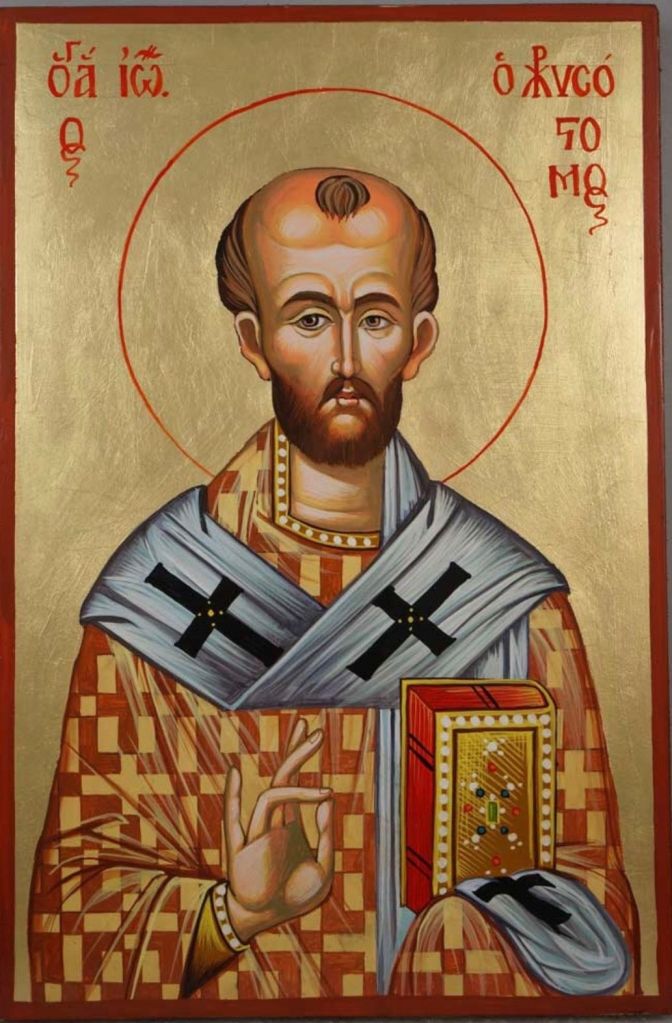
John Chrysostom, Romans, Homily VII:24,25 (A.D. 391)
“‘To declare His righteousness.’ What is declaring of righteousness? Like the declaring of His riches, not only for Him to be rich Himself, but also to make others rich, or of life, not only that He is Himself living, but also that He makes the dead to live; and of His power, not only that He is Himself powerful, but also that He makes the feeble powerful. So also is the declaring of His righteousness not only that He is Himself righteous, but that He doth also make them that are filled with the putrefying sores ‘asapentas’ of sin suddenly righteous.”
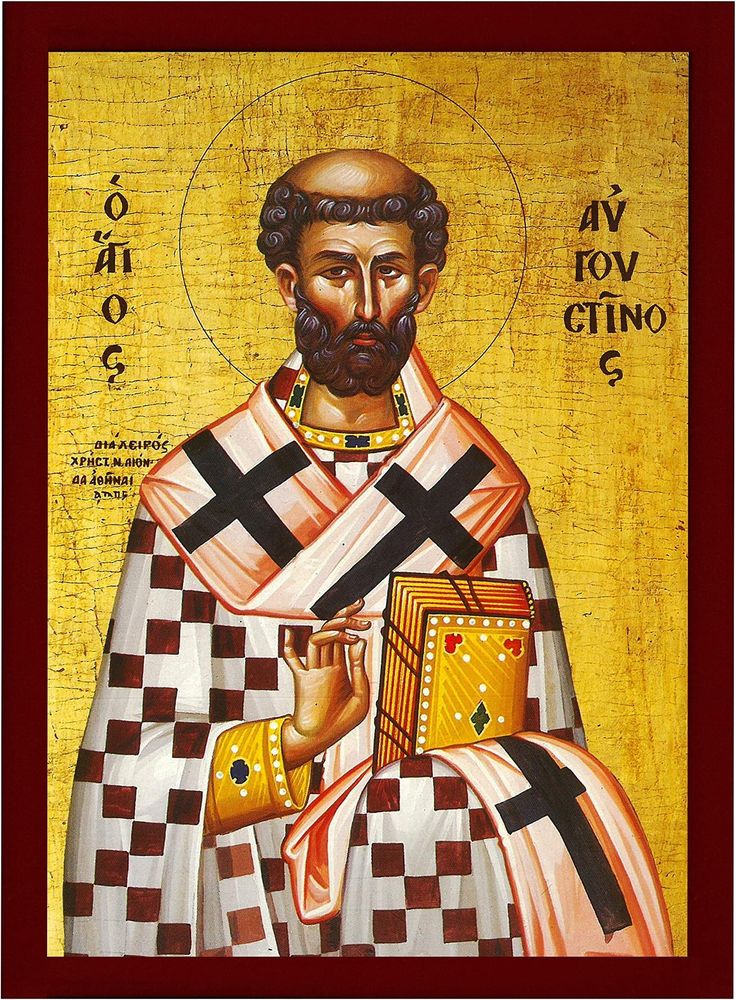
Augustine of Hippo, On Grace and Free Will, 6:13 (A.D. 427)
“Thus, it is necessary for a man that he should be not only justified when unrighteous by the grace of God, that is be changed from unholiness to righteousness, when he is requited with good for his evil; but that even after he has been justified by his faith, grace should accompany him on his way lest he fall. On this account it is written concerning the Church herself in Canticles: ‘Who is this who commeth up in white raiment, leaning upon her kinsman?’ Made white is she who alone could not be made white. And by whom has she been made white except by Him who says by the prophet, ‘Though your sins be as purple as scarlet, I will make them white as snow.’ At the time, then, that she was made white, she deserved nothing good; but now that she is made white, she walketh well; but it is only by her continuing ever to lean upon Him by whom she was made white. Wherefore, Jesus Himself, on whom she leans that was made white, said to His disciples, ‘Without me ye can do nothing.’”
PAX VOBISCUM

 Just Catholic
Leave a comment